

If you are buying your first home in Naples, it helps to understand more than square footage and price per foot. Restaurant clusters, waterfront gathering spots, and neighborhood commercial corridors can reveal how different parts of the city function day to day, from casual weeknight convenience to weekend destinations. This guide connects a few popular Naples areas with nearby dining scenes so you can compare atmosphere, access, and housing choices with a more practical lens.
How dining patterns can help first-time buyers compare Naples
For many buyers, especially those purchasing for the first time, the search starts with listings and quickly turns into a bigger question: what will everyday life feel like here? In Naples, restaurants can be a surprisingly useful clue. Areas near 5th Avenue South, Third Street South, Mercato, and neighborhood retail corridors each offer a different rhythm, and that rhythm often lines up with traffic patterns, walkability, parking, and the general mix of condos, single-family homes, villas, and townhome communities nearby.
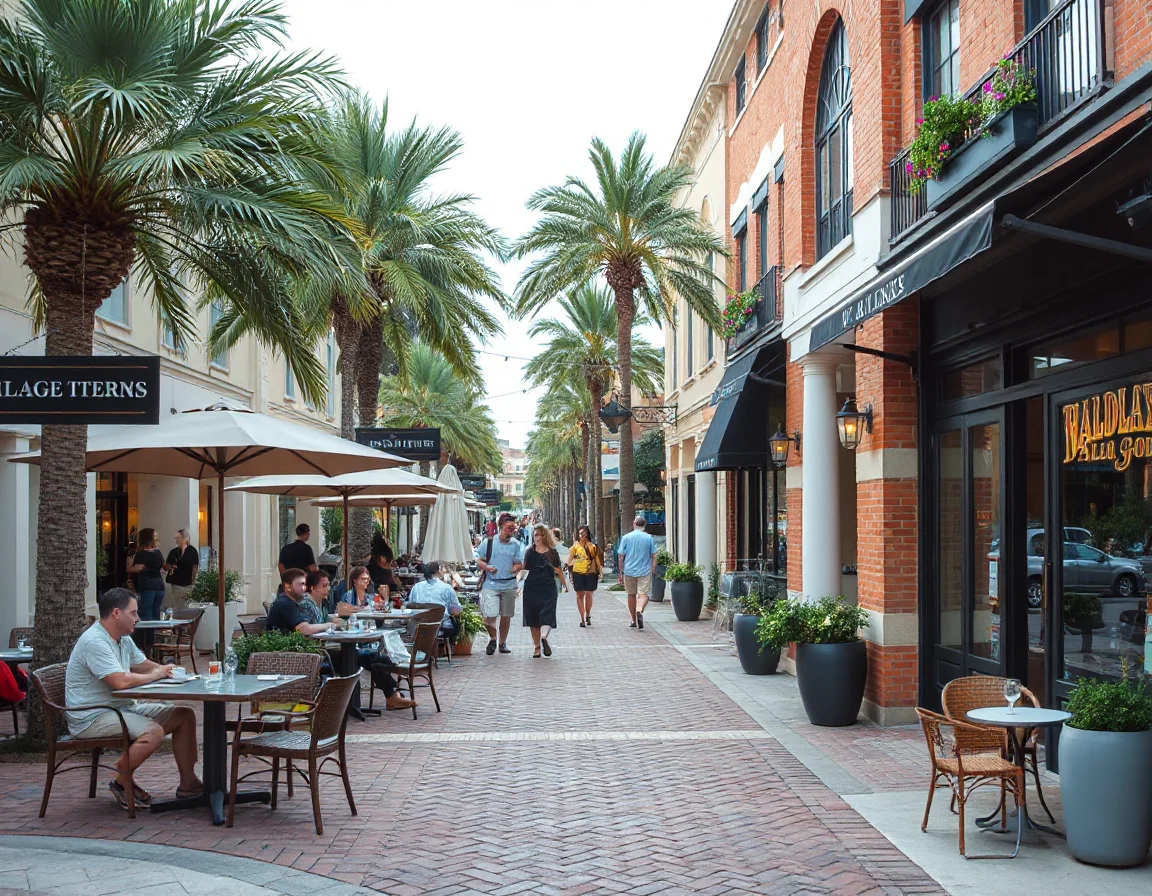
That does not mean buyers should choose a home based only on where they want dinner. It does mean restaurant access can help you evaluate convenience in a real-world way. A location close to established dining may offer easier options for errands, social plans, and visiting guests, while a quieter residential pocket a bit farther away may provide a different balance of privacy and drive times. Looking at these patterns side by side can make the map of Naples feel more understandable.
Another advantage is that dining districts often sit near other everyday amenities. Grocery stores, fitness studios, waterfront paths, public beach access points, and service businesses tend to collect around the same well-traveled areas. When buyers tour multiple neighborhoods in one day, noting what is nearby after the showing can help narrow the list with less guesswork.
A good comparison question during a home search is not just “What is nearby?” but “How far is it at 8 a.m., 5 p.m., and on a Saturday evening?” In Naples, timing can change how a location feels.
Old Naples and nearby dining around 5th Avenue South and Third Street South
One of the most recognized parts of Naples is Old Naples, where mature landscaping, coastal architecture, beach access, and a compact street grid create a distinct setting. Buyers exploring this area often notice the appeal of being near 5th Avenue South and Third Street South, both known for concentrated dining and public gathering spaces. The benefit here is straightforward: many errands and evening plans can happen without a long drive, depending on the exact property location.
Housing in and around Old Naples includes luxury condos, historic cottages, updated single-family homes, and newer custom construction. Because inventory can vary block by block, being near dining does not always mean the same thing from one listing to the next. One home may sit in a quieter residential stretch with relatively quick access to active commercial streets, while another may place the buyer in the middle of a more event-oriented environment.
For first-time buyers, this is where priorities matter. Some people value being able to step out for coffee, dinner, or a waterfront walk with minimal planning. Others may prefer to visit these destinations when they want them and return to a more tucked-away setting afterward. In either case, the restaurant scene helps frame the lifestyle tradeoff without relying on vague descriptions.
Mercato and North Naples: modern convenience and mixed-use access
Farther north, Mercato and the surrounding North Naples area give buyers a different lens on local dining. Here, the appeal is often about newer mixed-use design, practical convenience, and access to major roads. Restaurants, entertainment, and services are clustered in a way that can simplify weeknight routines, while surrounding communities range from condos and attached residences to gated single-family neighborhoods and golf-oriented developments.

What stands out for many first-time buyers is efficiency. In this part of Naples, it can be easier to compare commute routes, shopping access, and dining in one trip. If you are trying to decide between a condo with lower maintenance demands and a detached home with more outdoor space, seeing how each option relates to the same commercial hub can make the decision feel more concrete.
North Naples also demonstrates an important lesson: a neighborhood does not need to be in the center of a dining district to benefit from it. Nearby communities may still offer convenient access while keeping some distance from peak activity periods. This is why test-driving routes matters. A property that looks only “a little farther away” on a map may feel either ideal or inconvenient once you drive it at the times you would actually use it.
When comparing North Naples listings, ask how often you want walkable access versus easy parking and direct road connections. Both can be valuable, but they shape the home search differently.
Buyers who like a newer, polished commercial environment often keep this area high on the list. The key is matching the housing type, monthly carrying costs, and daily travel patterns with the level of nearby activity that feels right for you.
Neighborhood corridors, waterfront pockets, and everyday practicality
Not every strong dining option in Naples is tied to its most recognized destination districts. Neighborhood commercial corridors and waterfront pockets throughout the city can offer a more localized version of convenience. For a first-time buyer, these areas may open up alternatives that feel more attainable or simply better aligned with preferred home styles and budgets.
In practical terms, this means looking beyond headline locations and paying attention to the places residents use regularly. A smaller cluster of casual dining, coffee, and services near a residential area can support daily routines just as effectively as a major destination district. It may also come with a different housing mix, including established communities where lot sizes, building styles, HOA structures, or renovation opportunities differ from what you find closer to central Naples landmarks.
Waterfront access is another factor worth separating from restaurant access. Some buyers want both in the same immediate area; others are comfortable with a short drive to one or the other. Naples offers several ways to balance that equation, and understanding your own habits is the fastest way to sort listings. If a home near inland conveniences suits your weekly routine, that may matter more than being within minutes of a special-occasion destination.
A smart first-time strategy for touring homes near dining destinations
The best way to use restaurant geography in your home search is to turn it into a touring plan. Pick two or three neighborhoods that interest you, then visit each one at different times of day. Notice the travel path to grocery stores, beaches, work routes, and the dining areas you would actually use. Look at parking, street activity, and whether the area feels easy to navigate when seasonal traffic increases.

Bring that same mindset into the showing itself. Ask how the location performs in daily life, not just how it photographs online. A condo near Old Naples may deliver proximity to highly walkable destinations. A North Naples property may offer easier access to structured retail and road networks. A home near a smaller neighborhood corridor may strike the best balance of convenience and price. None of these is universally better; the right fit depends on how you plan to live in the property.
It also helps to think in layers. Start with the home, then the street, then the nearby service corridor, then the broader part of Naples. When all four layers make sense together, buyers usually feel more confident making an offer. Dining destinations become less of a luxury add-on and more of a practical signal about how connected a location is to the rest of your routine.
For first-time buyers, that perspective can reduce overwhelm. Naples has a broad range of residential options, and the map gets easier to read when you connect neighborhoods to real destinations. If you understand where you would go for a quick lunch, a waterfront dinner, or a simple errand run, you are already closer to understanding where you may want to live.