

Dining patterns can shape how buyers experience a neighborhood long before they tour a property. In Naples, Florida, well-established restaurant clusters, waterfront gathering areas, and everyday convenience near food destinations can all contribute to stronger visibility, steady foot traffic, and broader buyer interest. This guide looks at how local dining hotspots may connect to home value and demand without relying on hype, so buyers and sellers can focus on the details that actually matter.
Why dining access matters in a housing market
A home search is rarely just about square footage and finishes. Buyers also weigh what daily life feels like once the move is complete: how easy it is to pick up dinner after work, meet friends outdoors on a weekend, or enjoy a walkable evening near water or a neighborhood center. In a place like Naples, those lifestyle patterns often show up in the real estate conversation because dining is closely tied to convenience, atmosphere, and how actively an area is used throughout the week.
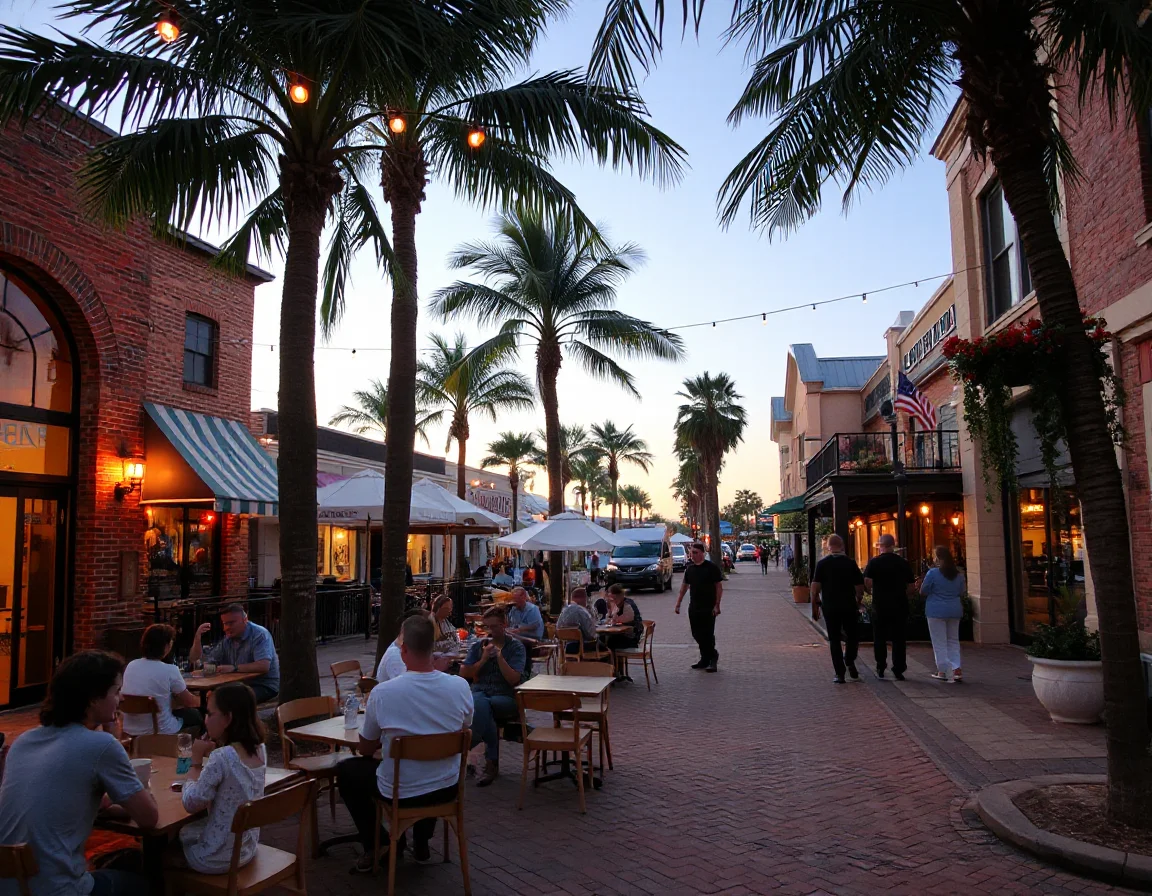
That does not mean a nearby restaurant automatically raises property values. Real estate pricing is still driven by fundamentals such as location, lot size, condition, water access, building age, renovation quality, insurance considerations, and inventory levels. Still, dining concentration can influence demand by making a location feel more established, more convenient, and more memorable when buyers compare several areas in the same price range.
Naples offers several distinct patterns here. Some homes benefit from proximity to polished coastal districts with a strong evening scene, while others gain appeal from nearby everyday dining corridors that support routine convenience. Both can matter. A buyer looking at two similar homes may place a premium on the one that sits closer to a well-known cluster of gathering places, outdoor seating areas, and year-round activity.
When buyers can quickly picture where they will spend a typical Friday evening or a relaxed Sunday lunch, a neighborhood often feels easier to choose.
The Naples hotspots that often shape perception
Several Naples areas regularly come up in conversations about dining and desirability. Fifth Avenue South is one of the most recognized, not simply because of restaurants, but because it functions as a polished mixed-use district with walkable blocks, attractive streetscapes, and a consistent sense of activity. Third Street South offers a similarly established setting with a strong local identity, while waterfront destinations near the bay and marina add another layer of appeal through views, boating access, and a setting that feels distinctly tied to the Gulf Coast lifestyle.
These places matter in real estate because they create reference points. Even buyers who do not plan to dine out often may respond positively to being near well-maintained, active commercial areas with public gathering spaces and recognizable amenities. That sense of place can strengthen a home's marketability, especially when listing photos and marketing remarks can honestly point to nearby dining, waterfront access, and local conveniences.
Outside the headline districts, neighborhood retail centers and arterial corridors also have influence. A home does not need to be near Naples' most famous dining addresses to benefit from restaurant access. In many cases, buyers are just as focused on practical convenience: coffee in the morning, casual takeout, a reliable lunch spot, or a short drive to multiple dining options without navigating the busiest seasonal traffic patterns.
How restaurant proximity can affect buyer demand
Demand often grows where convenience and identity overlap. If an area has respected dining options, attractive public spaces, and a layout that supports easy movement between home and amenities, it tends to stay on more shortlists. That can translate into stronger showing activity, more online saves, and better retention of buyer interest when inventory expands.

There is also a branding effect. Well-known dining destinations help define micro-locations within a larger city. Instead of saying a property is merely in Naples, a buyer may remember it as the one near the waterfront district, close to a notable avenue, or a short trip from a favorite outdoor gathering area. In a competitive market, that kind of mental shortcut can matter because it helps a listing stand out.
For sellers, this means nearby dining should be framed carefully and factually. The strongest approach is to describe access, travel time, and the broader mix of amenities rather than overselling the scene. Mentioning proximity to established dining corridors, beach access, shopping, arts venues, or marina areas gives buyers useful context without making assumptions about how they will live.
Dining access tends to matter most when it is part of a larger package: good location fundamentals, attractive surroundings, and a home priced in line with current competition.
For buyers, the same principle applies in reverse. A restaurant cluster may make an area more appealing, but it is important to look at parking, traffic flow, seasonality, noise at different times of day, and how directly the amenity actually supports your routine. The most valuable locations are often the ones that balance access with a comfortable residential setting rather than sitting at the center of the busiest activity.
What to watch beyond the headline appeal
Not every dining hotspot produces the same market effect. Some help values by reinforcing a district's reputation and improving neighborhood energy. Others may create trade-offs that buyers notice quickly, especially if access roads stay crowded during peak season or if commercial intensity feels out of scale with nearby housing. That is why local context matters more than broad assumptions.
It is also worth separating short-term buzz from long-term value. A newly popular dining spot can generate attention, but established patterns usually carry more weight in real estate than a single opening. Buyers and appraisers tend to respond more consistently to durable amenities: a cluster of successful businesses, maintained streets, waterfront appeal, public spaces, and a record of sustained demand across multiple seasons.
Another factor is price tier. In some segments of the Naples market, dining and entertainment access can be a major differentiator because buyers expect a seamless lifestyle package. In other segments, convenience to everyday services may matter more than destination dining. Understanding which factor applies to a specific property helps keep pricing realistic and marketing credible.
Using dining trends wisely as a buyer or seller
If you are buying, think of dining access as one layer of value rather than the whole story. Visit the area at different hours, test the drive to regular destinations, and notice whether the surroundings feel active, well-kept, and easy to navigate. A location that performs well on ordinary weekdays can be just as compelling as one that shines on a Saturday night.

If you are selling, identify the nearby amenities that genuinely support the home's value proposition. That might be a respected dining district, waterfront setting, convenient corridor, or a combination of all three. The key is to tie those amenities to measurable location benefits such as accessibility, neighborhood recognition, and everyday convenience, while still anchoring the listing in comparable sales and current inventory conditions.
In Naples, restaurant destinations are part of the area's identity, and they often shape how buyers rank neighborhoods against one another. Yet the homes that perform best are usually the ones where location benefits are matched by strong presentation, thoughtful pricing, and a clear understanding of what buyers are comparing. Dining can open the door to interest, but long-term value still depends on the full package.
For anyone tracking the Naples market, that is the useful takeaway: dining hotspots may influence perception, demand, and even pricing power at the margins, but they work best as part of a broader location story. When buyers and sellers evaluate that story with clarity, they make stronger decisions and avoid mistaking local popularity for lasting market strength.