

What Paul T Is Watching in Naples Dining and Florida Real Estate Moves
Naples keeps changing in ways that are easy to feel and harder to quantify—a new reservation that suddenly becomes the one everyone is trying to get, a corridor with fresh investment, a renovated home that sells quickly because it matches what buyers want right now. From a real estate perspective, dining is more than a leisure topic. It often acts as a visible signal of confidence, foot traffic, and neighborhood momentum, especially in a market where lifestyle and property decisions frequently overlap.

For anyone tracking Southwest Florida, Naples offers an interesting combination of established appeal and ongoing refinement. The city has long been known for its polished coastal setting, golf access, beach proximity, and carefully maintained commercial districts, but the current conversation is not just about beauty. It is about adaptation: which blocks are attracting fresh concepts, which housing styles are drawing the most attention, and how local preferences are evolving as buyers compare primary residences, second homes, and investment opportunities.
Dining trends fit neatly into that story. New openings, refreshed menus, and upgraded outdoor gathering spaces can point to where consumer energy is concentrating. In places like Naples, where many home buyers pay close attention to convenience, walkability to amenities, and the overall feel of nearby commercial areas, the restaurant scene becomes a practical market indicator. It helps illustrate where activity is steady, where demand may be deepening, and which locations continue to hold value because they offer an appealing everyday experience.
That does not mean a restaurant opening automatically transforms a submarket, of course. Real estate values still depend on fundamentals such as inventory, pricing strategy, condition, lot characteristics, association structure, insurance considerations, and proximity to beaches, golf, parks, and transportation routes. Still, when dining investment appears alongside streetscape improvements, strong resale activity, and well-executed renovations, it often becomes part of a larger pattern worth watching.
Why the Naples dining scene matters to housing conversations
One of the most useful things about observing hospitality trends is that they reveal how people are using the city in real time. Are outdoor spaces filling up? Are mixed-use areas feeling more active in the evening? Are newer concepts choosing highly visible corners or tucked-away local nodes? These details matter because they can influence how buyers perceive convenience and how sellers position a home within the wider local experience.
In Naples, interest often centers on access and rhythm. Some buyers want to be close to coastal routes and well-known corridors. Others prioritize a quieter residential setting while still wanting a short drive to dining, arts venues, and shopping districts. A balanced market read includes both preferences. The goal is never to assume who belongs where, but to understand how property features and location facts align with different practical priorities.
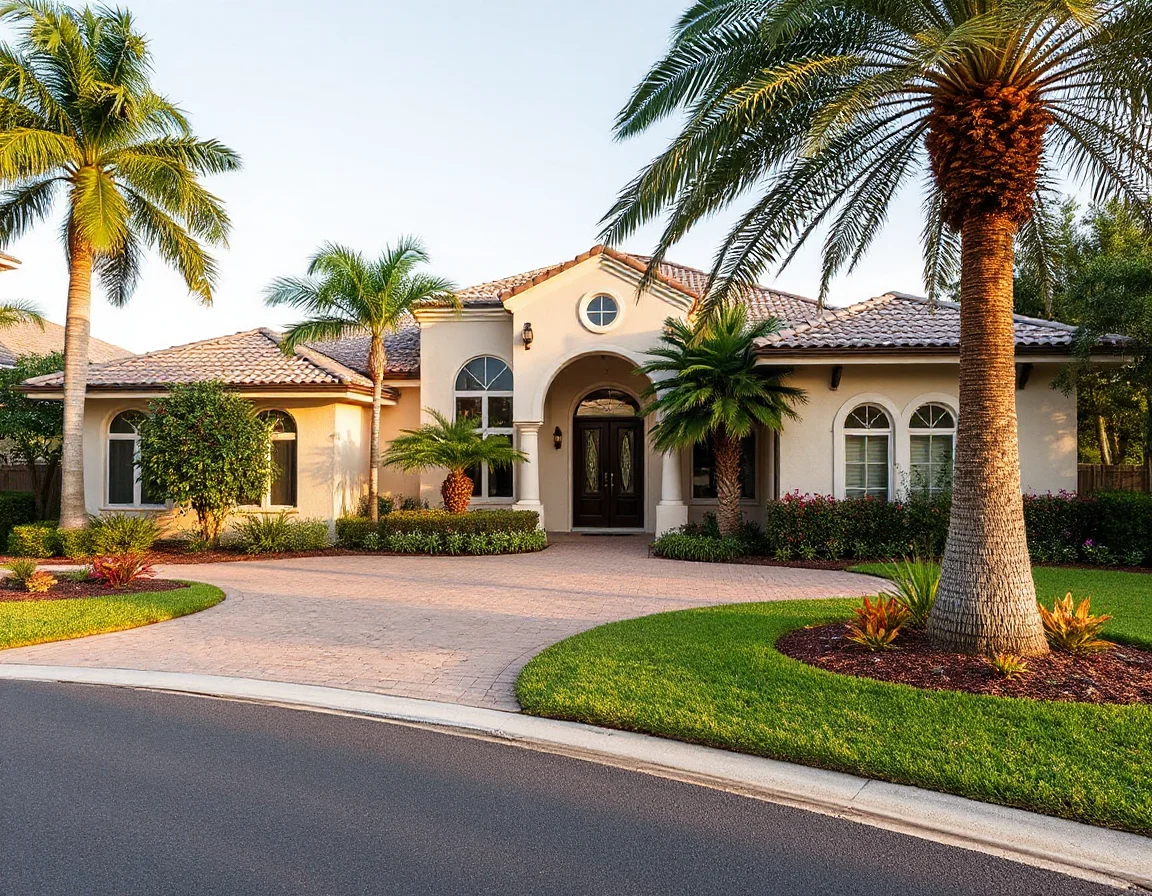
That is where a local real estate lens becomes especially valuable. If dining activity is clustering near certain village-style centers or established commercial destinations, it may reinforce demand for nearby condos, villas, and single-family homes that offer straightforward access without sacrificing privacy. Likewise, if buyers are showing more interest in updated kitchens, covered lanais, pool areas, and flexible guest space, that can reflect broader lifestyle expectations shaped by how residents and seasonal owners spend time at home and around town.
Naples also remains a place where presentation matters. Homes that feel bright, well-maintained, and ready for immediate enjoyment often stand out, especially when they combine strong curb appeal with practical upgrades such as impact windows, newer roofs, modern baths, or refreshed outdoor living areas. In a market with selective buyers, polished condition and realistic pricing can be just as important as a prestigious address.
Another factor Paul T is likely watching is the relationship between inventory and confidence. When buyers have more choices, they tend to compare properties more carefully, looking not only at square footage and finishes but also at the surrounding experience. Being near respected dining clusters, public beach access, golf, trails, or arts and entertainment can support perceived value because those elements shape daily routine. Sellers, meanwhile, benefit from understanding which nearby amenities genuinely resonate and which details are simply noise.
Florida real estate moves worth following right now
Across Florida, movement in the market rarely follows a single storyline. Some areas are seeing continued demand for turnkey properties. Others are giving buyers more room to negotiate after periods of compressed inventory. In coastal markets, questions around insurance, storm resilience, construction quality, and long-term carrying costs remain central. Those concerns do not erase demand, but they do influence how quickly decisions are made and how buyers evaluate risk versus value.
Naples often sits in a distinct position within that statewide picture because it combines luxury appeal with a broad range of residential options. Condominiums near major amenities, golf-oriented communities, gated neighborhoods, and waterfront properties all attract attention for different reasons. Watching where transactions occur—and what features are rewarded—can reveal a lot about current buyer behavior. Updated floor plans, strong natural light, outdoor entertaining space, and low-maintenance finishes continue to be relevant themes.
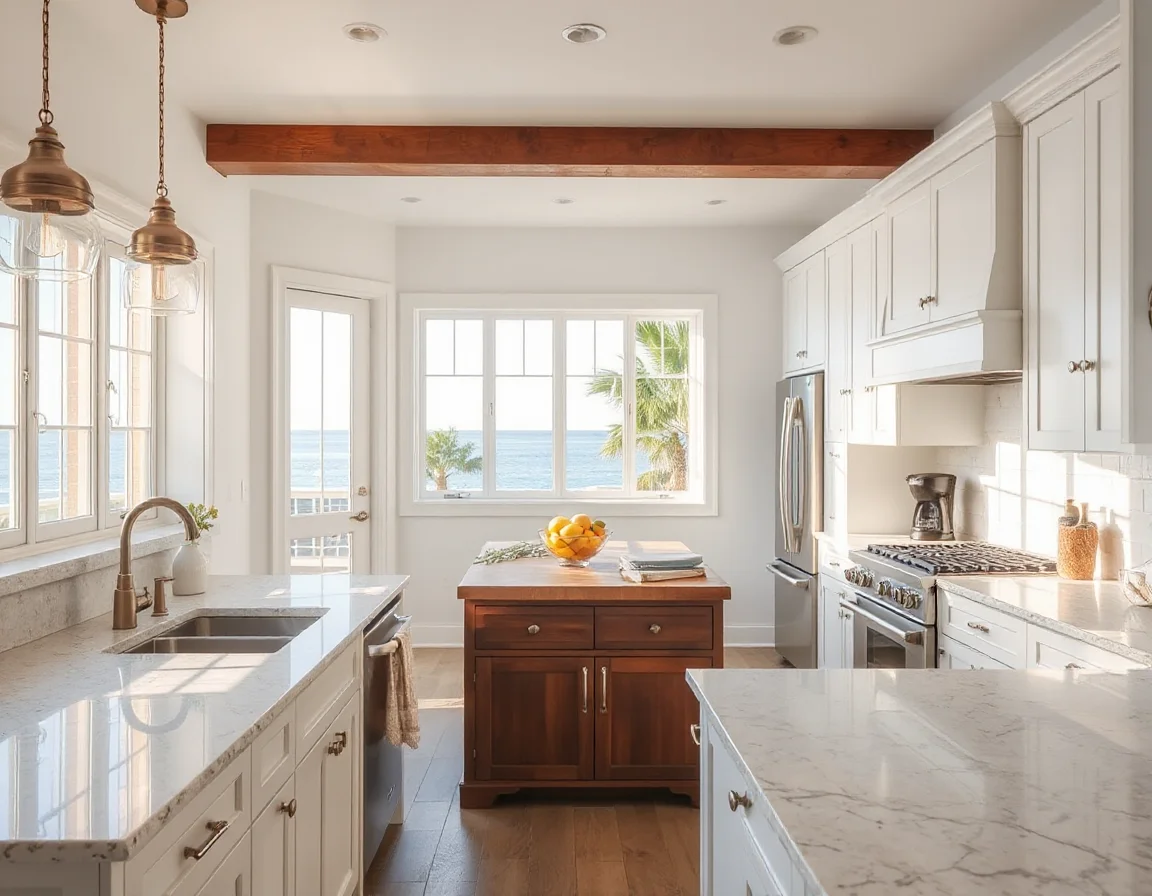
There is also the renovation question. In many Florida markets, buyers are weighing whether to purchase a home that is move-in ready or one with older finishes but good fundamentals. In Naples, that calculation can be especially nuanced. A property with a strong location and solid structure may still be attractive if the path to improvement is clear. At the same time, fully updated homes can command attention because they reduce uncertainty and make seasonal or immediate occupancy easier.
Dining and real estate intersect here again in a subtle way. A buyer considering a home is often imagining routine as much as return: morning coffee on the lanai, an evening out nearby, weekend errands that feel efficient, access to golf or the beach, and a home base that supports all of it comfortably. The most successful listings tend to tell that story through factual strengths—layout, finishes, outdoor features, and location advantages—without leaning on vague lifestyle clichés.
For sellers, that means emphasizing what can be measured and experienced directly. Highlight the renovated kitchen, the pool deck, the guest suite, the community amenities, the drive time to beaches or commercial districts, and the overall condition of the property. For buyers, it means staying disciplined: compare fees, insurance implications, age of systems, flood-zone considerations where relevant, and the durability of demand in the immediate area. Local expertise helps connect those details into a clearer decision.
A local read on momentum
What makes Naples compelling is not just prestige or weather. It is the way market activity, hospitality investment, and residential quality often reinforce one another. When a dining district remains active, when public spaces feel cared for, and when homes are being improved with intention, the market sends a message of durability. That does not guarantee uniform price growth in every pocket, but it does create useful signals for anyone planning a purchase, sale, or long-term hold.
Paul T’s perspective on Naples dining and Florida real estate moves is best understood as a focus on patterns rather than headlines. Which amenities are shaping demand? Which property updates are truly paying off? Which neighborhoods are sustaining attention because they pair strong housing stock with convenient access to the best parts of the city? In a market as layered as Naples, those are the questions that matter most—and the answers often show up first in the details people experience every day.