

A Spring Hill home can look appealing on price alone, but taxes, insurance, upkeep, and rental rules determine how the numbers work over time. Learn how to build a property-specific budget, compare potential rental income with expenses, and test your assumptions before making an offer.
Start With the Full Cost of Ownership
A house in Spring Hill may offer more than one path to value: a place to live, a potential rental, or an asset to hold for a future sale. Each approach comes with different costs and assumptions. Before comparing asking prices, decide how you intend to use the property and how long you might own it.
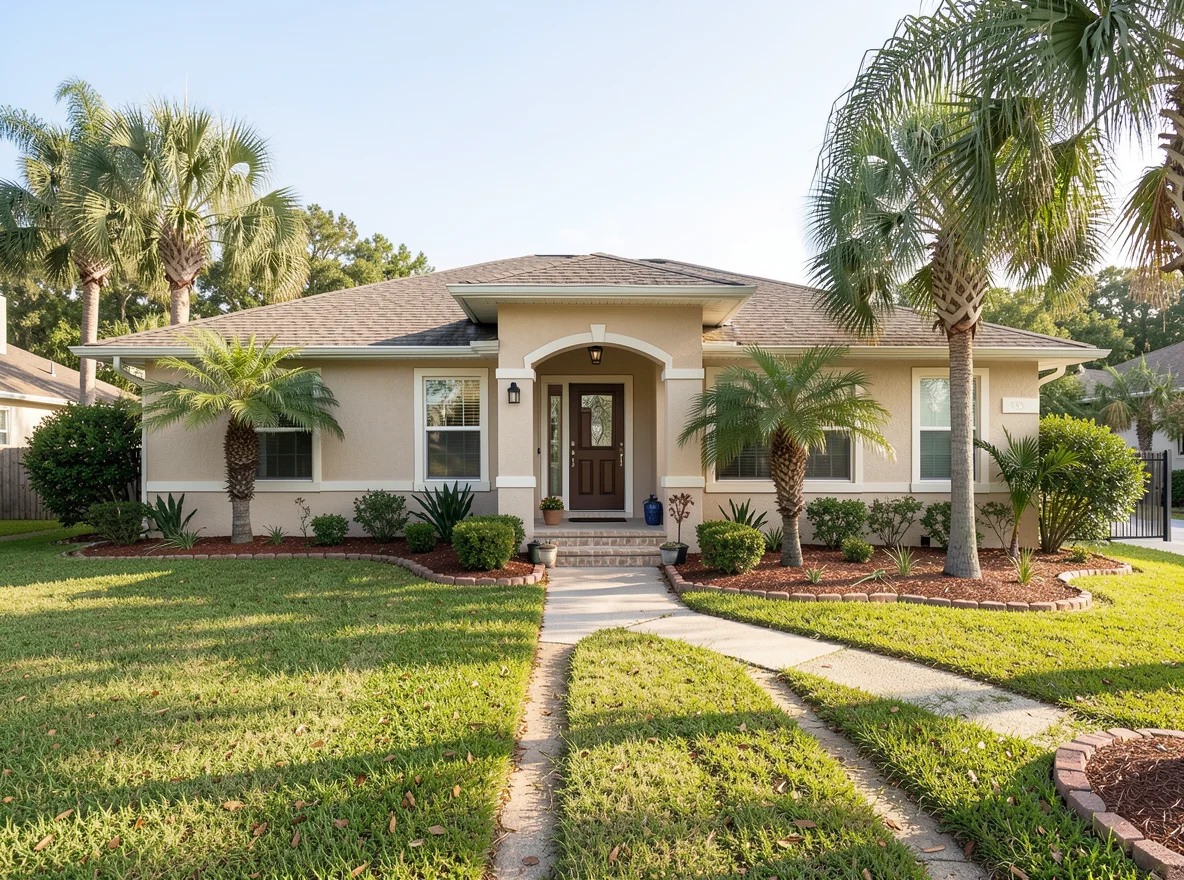
For an owner-occupied purchase, the monthly payment is only part of the picture. Add property taxes, insurance, utilities, association dues if applicable, and a reserve for repairs. If you are considering a rental, include those expenses alongside vacancy, leasing costs, management, and maintenance between occupants. A lower purchase price does not automatically make a property the better investment if its ongoing costs are substantially higher.
Spring Hill offers access to everyday services, dining, and outdoor recreation, but the features that matter to a future buyer or renter can vary from one property to another. Compare the actual drive to frequently used destinations, the condition of the home, and the cost of maintaining its amenities. A pool, for example, may be appealing while also adding insurance, cleaning, and repair expenses.
Ask your real estate professional for recent comparable sales and, if rental income is part of your plan, comparable rentals. Look at similar homes rather than relying on a broad regional average. Condition, location, square footage, and included amenities can all affect what someone is willing to pay.
Estimate Property Taxes After a Sale
The current owner’s tax bill is a useful reference, not a reliable forecast of your own. Florida property taxes depend on assessed and taxable values, exemptions, local tax rates, and any applicable non-ad valorem assessments. A change in ownership can affect the assessment, while exemptions available to the seller may not transfer to you.
Homestead benefits generally apply to qualifying permanent residences, not simply to every property a person owns. An investment property may have different tax treatment from an owner-occupied home. Ask the appropriate county property appraiser for an estimate based on your intended use, anticipated purchase price, and eligibility; verify any assessments that appear separately on the tax bill.
A seller’s homestead exemption and assessment history can make the existing tax bill a poor stand-in for a buyer’s future bill. Request a property-specific estimate before finalizing your budget.
Taxes can change over a long holding period, so run more than one scenario. Estimate the first full year of ownership, then test how your budget would respond if taxes rose. If you plan to rent the home, use the tax estimate for that intended use rather than an owner-occupied estimate. A tax professional can help you understand how the purchase fits your circumstances.
Get Insurance Quotes Early
Insurance is a major part of evaluating a Florida property, and a quote is more useful than a general rule of thumb. Contact an insurance professional during your due diligence period with the property address, intended use, and available details about the roof, construction, and prior updates.

Compare coverage limits, exclusions, deductibles, and replacement-cost assumptions rather than looking only at the premium. Ask whether wind coverage is included and how the hurricane deductible works. If you intend to lease the home, discuss a landlord policy and the differences from owner-occupied coverage. An inspection or wind-mitigation documentation may affect available options or pricing, so ask what information an insurer needs.
Flood risk deserves a separate review. Standard homeowners policies generally do not cover flooding, and lender requirements can depend on the property and loan. Review the current flood map, ask about the home’s history, and obtain a flood insurance quote if appropriate—even if coverage is not required by the lender. Maps and past experience do not eliminate the possibility of flooding elsewhere.
Finally, consider the cost of keeping the property insurable. A roof nearing the end of its useful life, aging systems, or deferred repairs can affect both quotes and future cash needs. An inspection helps identify issues, but it cannot predict every expense. Set aside a reserve and revisit your coverage and quotes as renewal approaches.
Test Rental Potential With Realistic Numbers
Potential rent is an estimate until supported by comparable properties and actual market conditions. Review current offerings and, where available, recently leased homes with similar layouts and features. Consider whether the likely rent justifies the property’s expenses, not merely whether it exceeds the mortgage payment.
Before counting on rental income, check the rules that apply to the specific address. Association documents may restrict leasing, require approval, or set minimum lease terms. Local ordinances, Florida requirements, lender terms, and insurance conditions may also affect your plan, particularly for short-term rentals. Verify the current rules with the relevant authorities and review association documents before committing.
Separate operating return from cash flow
One way to compare properties is to calculate net operating income, or NOI: annual rental income after vacancy and operating expenses, but before mortgage payments and income taxes. Divide NOI by the purchase price to estimate a capitalization rate. This is a comparison tool, not a promise of return.
For a simple illustration, suppose a home produces $24,000 in annual rent and has $8,400 in annual vacancy and operating costs. Its estimated NOI would be $15,600. At a $260,000 purchase price, that is a 6% capitalization rate. These are hypothetical figures, not Spring Hill market estimates; actual costs and income will differ.
A capitalization rate excludes mortgage payments, income taxes, and purchase costs. A property can show a positive NOI while producing little or no cash flow after financing.
To estimate cash flow, subtract annual mortgage principal and interest from NOI, then account separately for capital expenditures and any other costs omitted from the operating estimate. Also calculate the cash needed at closing, including the down payment, closing costs, and initial repairs. Compare annual cash flow with that total cash invested to understand the return on your own funds.
Plan for the Long Term
Ownership results depend on more than a single year of rent. Over time, returns may include cash flow, loan principal paid down, and any change in property value, offset by repairs, financing costs, taxes, and selling expenses. Appreciation is not guaranteed, and rent, insurance premiums, and vacancies can change.
Build a conservative scenario as well as an optimistic one. What happens if the home is vacant longer than expected, the insurance premium rises, or a major system needs replacement? A reserve can help you manage those surprises without assuming you can sell quickly or refinance on favorable terms.
For sellers, the same details matter. Organize records of permitted improvements, maintenance, association fees, and insurance information so prospective buyers can evaluate the property with greater confidence. For buyers, use the inspection period to verify the assumptions that carry the most weight in your budget.
Discuss a Spring Hill property
A thoughtful investment decision begins with a specific property and a realistic plan for owning it. Compare homes, request current estimates, and review the numbers with qualified real estate, insurance, lending, and tax professionals. The goal is not to predict every outcome, but to understand the costs and tradeoffs before you commit.