

A single price headline rarely tells the whole story of the Port Charlotte housing market. Looking at recent comparable sales, competing listings, and time on market together can help buyers make stronger decisions and sellers set a more informed asking price. Here’s how to read those signals before deciding when to act.
Start With the Right Market Snapshot
Port Charlotte offers a range of properties, from inland homes to residences near canals and other waterways. That variety makes broad market statistics useful as a starting point, but less useful as a price tag for any one home. A meaningful snapshot should focus on the property type, location, condition, and price range you are considering.
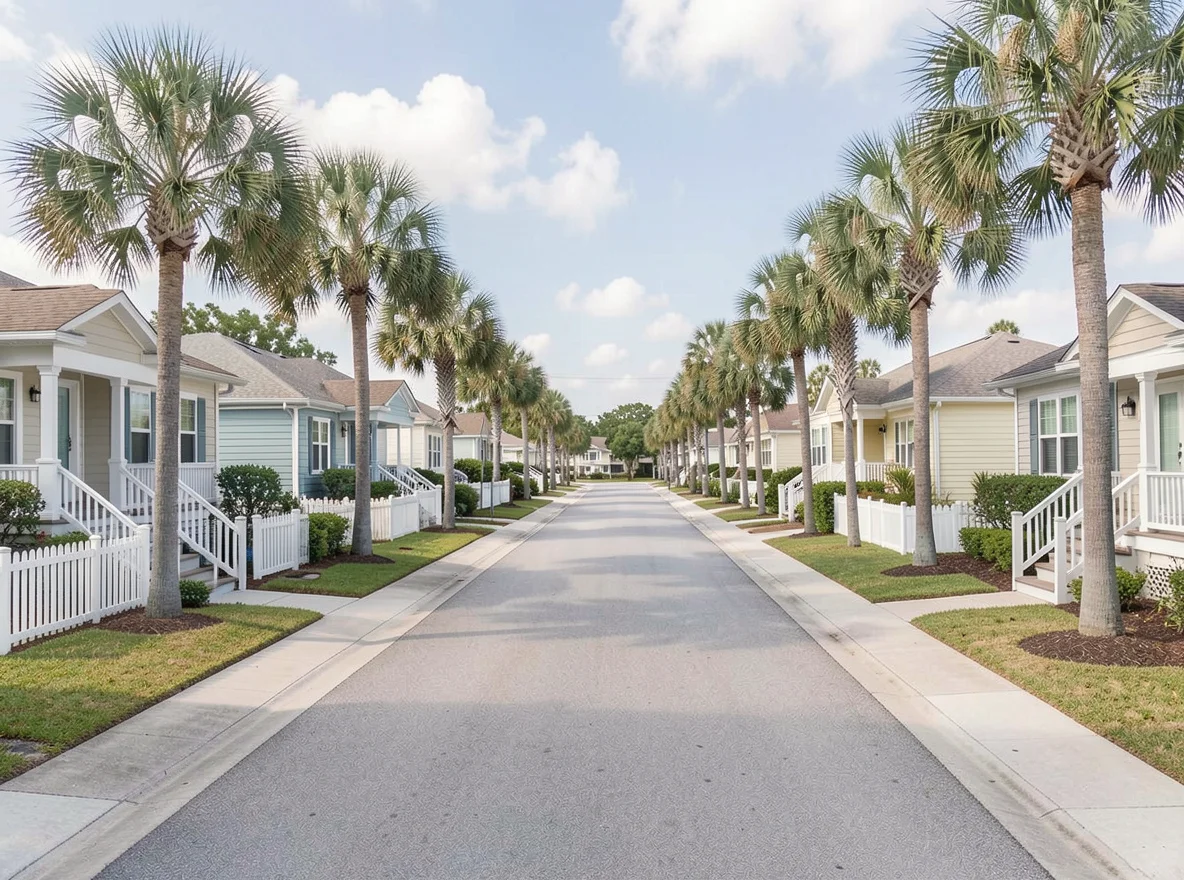
For an up-to-date picture, ask for local multiple listing service data covering recent closed sales, pending contracts, and active listings. Compare the same geographic boundaries and property types from one period to the next. A report for all of Charlotte County, for example, may tell a different story from one focused on a particular part of Port Charlotte.
Pay attention to the date range as well. A single month can move sharply when the mix of homes sold changes, while a longer period can make it easier to see a pattern. Reviewing the latest month alongside the preceding few months and the same period a year earlier provides context, without assuming that any trend will continue.
This guide does not quote a current median price or inventory count because those figures change and must be verified against a dated local report. Before acting, request the latest numbers and ask what is included: single-family homes, condos, new construction, and vacant lots should not automatically be treated as one market.
Compare like with like: a change in the median sale price can reflect a different mix of homes sold, not just a change in individual property values.
What Price Movement Can—and Cannot—Tell You
The median sale price is the middle price among homes that closed during a given period. It is a useful way to follow the market, but it does not reveal whether a specific home has gained or lost value. If more waterfront properties or newly built homes close in one month, the median can rise even when comparable homes sell for similar amounts.
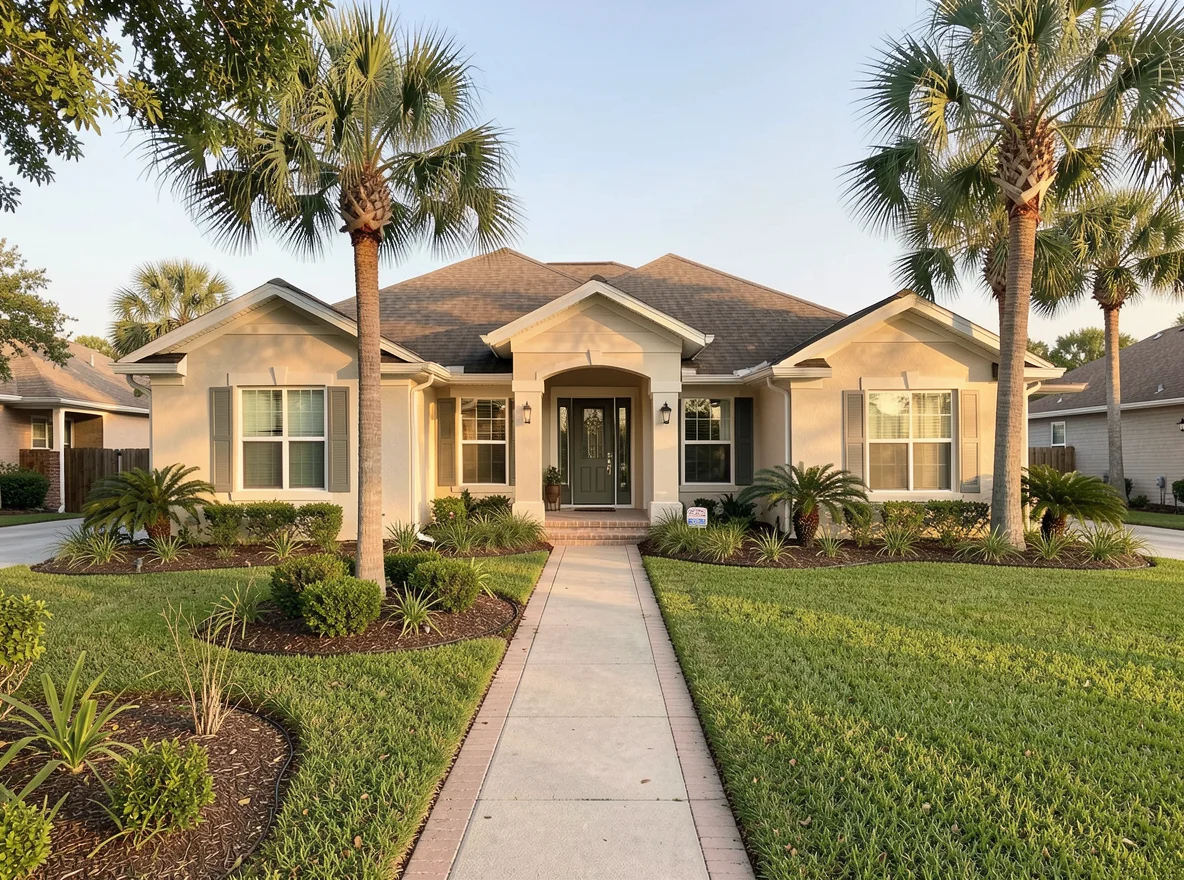
For a closer comparison, look at recently sold homes with similar square footage, age, layout, lot characteristics, and condition. Location details matter: canal frontage, access to navigable water, and the absence of waterfront are not interchangeable features. A recent renovation, roof condition, pool, or repair needs can also make a substantial difference.
Active listings show what sellers are asking; closed sales show what buyers and sellers agreed to. Pending listings can offer an additional clue about current demand, though their final prices may not yet be public. Ask your agent to review all three groups and explain any adjustments rather than relying on an online estimate alone.
Buyers should also consider the terms behind a sale price. Seller concessions toward closing costs or repairs can affect the economics of a transaction, and a closing price by itself may not capture those details. Sellers, meanwhile, can use comparable sales to identify a realistic range before deciding where to position an asking price within it.
Explore Port Charlotte listings
Read Inventory in Context
Inventory is the supply of homes available for sale. A larger selection can give buyers more properties to compare and may encourage sellers to pay closer attention to price and presentation. A smaller selection can create more competition for certain homes. Neither condition guarantees what will happen to an individual listing.
One common measure is months of supply: the number of active listings divided by the recent pace of sales. It estimates how long the current supply would last at that sales pace if no additional homes were listed. Because both supply and sales activity change, treat the figure as a snapshot rather than a prediction.
Look beyond the total count. Are the available homes comparable to yours, or are they concentrated in a different price bracket? Are new listings replacing the homes going under contract? A buyer searching for a particular property may face a very different selection from what a market-wide total suggests. For a seller, the most relevant competition is usually the set of homes a prospective buyer would consider instead.
Active, Pending, and Closed Listings
Each listing status answers a different question. Active homes show today’s alternatives, pending homes indicate recent agreement between buyers and sellers, and closed sales provide completed transactions for comparison. Tracking all three over several reporting periods can help reveal whether choices are expanding or contracting in the segment that matters to you.
How to Interpret Time on Market
Days on market generally measures how long a listing has been active before a specified status change, often going under contract. Definitions can differ by data source, and relisting practices may affect the displayed number. Ask whether the report uses days to contract or days to closing, and whether it includes cumulative time across prior listings.
A home that sells quickly may have been priced attractively, presented well, or offered features that were difficult to find. A longer listing period can reflect price, condition, financing considerations, the property’s distinctive features, or a smaller pool of interested buyers. It is a reason to ask questions, not proof that something is wrong.
When comparing listing times, check the original asking price and any price changes alongside the current price. The history can be more revealing than one number.
Turn the Data Into a Decision
For Buyers
Before making an offer, review recent comparable sales and current alternatives with your agent. Consider how long similar homes took to go under contract and whether the asking price has changed. Alongside the purchase price, budget for inspections, taxes, insurance, maintenance, and any applicable association fees. Obtain property-specific insurance quotes and review flood-zone information and coverage requirements rather than assuming the costs will match those of a nearby home.
For Sellers
Start with a pricing analysis that considers both recent closings and the homes currently competing for attention. Discuss repairs, presentation, and the timing of your move, then agree on how you will evaluate feedback and showing activity. If the initial response is slower than expected, revisit the evidence and your strategy rather than reacting to a single showing or a broad headline.
There is no universal best time to buy or sell. The most useful Port Charlotte market update is a current, property-specific one: what comparable homes have sold for, what buyers can choose from now, and how long similar listings are taking to attract a contract. With those pieces in hand, you can weigh the market against your budget, timeline, and priorities.