
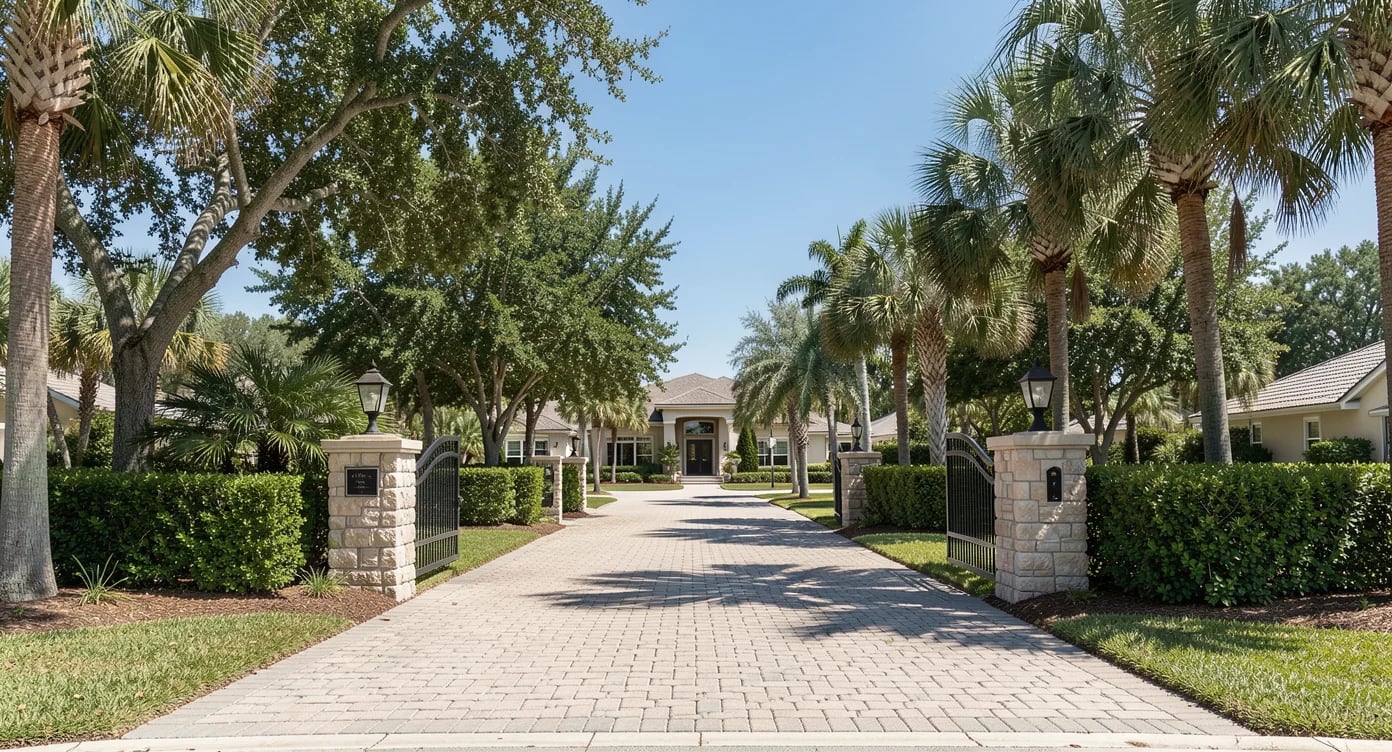
A successful first home purchase starts well before you find a favorite listing. Use this Cape Coral checklist to prepare your financing, compare properties, investigate insurance and utility costs, and navigate the steps from an accepted offer to closing.
1. Set a budget before you start touring
Picture the features you want in a home, then start with the numbers that make those features sustainable. Your purchase budget should reflect the monthly payment you are comfortable carrying, not just the maximum a lender may approve. In Cape Coral, that means looking beyond principal and interest to property taxes, homeowners insurance, possible flood insurance, utilities, maintenance, and any association fees.
Set aside funds for the down payment, closing costs, inspections, moving expenses, and an emergency reserve. Down payment requirements vary by loan program, and eligible buyers may find assistance programs worth discussing with a lender. Ask about the qualifications and whether available funds or deadlines could affect your plans.
When estimating taxes, remember that the seller’s current tax bill may not reflect what you will pay after a purchase. Ask the appropriate tax authorities or a qualified professional for an estimate based on the property and your circumstances. If you expect to apply for a Florida homestead exemption, confirm eligibility and filing requirements rather than assuming it will apply immediately.
A comfortable purchase price depends on the full monthly cost. Get property-specific insurance quotes and a tax estimate before deciding what you can afford.
It also helps to review your credit reports and avoid taking on new debt while preparing to apply. A lender can explain how credit, income, assets, and existing obligations affect your options. Keep your financial records organized so you can respond quickly when documents are requested.
2. Compare loans and get preapproved
Contact lenders early and ask about conventional, FHA, VA, or other financing options for which you may qualify. Compare interest rates, estimated closing costs, mortgage insurance, down payment requirements, and any conditions attached to each offer. A lower advertised rate is only one part of the picture; the loan’s fees and terms matter, too.
For preapproval, you may need recent pay records, tax documents, bank statements, identification, and information about existing debts. Requirements vary, so ask your lender for a tailored list. A preapproval is not a final loan commitment, but it can help you search within a realistic range and show a seller that you have started the financing process.
Before making major financial changes, check with your lender. Opening a credit account, changing jobs, making a large purchase, or moving money between accounts can prompt additional questions during underwriting. Keep copies of relevant statements and be ready to document the source of funds used for the purchase.
3. Build a Cape Coral search around your priorities
Once you understand your budget, make two lists: features you need and features you would enjoy but can compromise on. Consider the number of bedrooms, layout, outdoor space, parking, commute, proximity to parks or dining, and whether you want a pool or a waterfront setting. The clearer your priorities, the easier it is to compare homes without getting distracted by a single attractive feature.
Tour properties with a consistent set of questions. Look at the condition of the roof, windows, cooling system, and visible finishes, and note what you would want a professional to examine. Visit at different times when possible to understand traffic, travel routes, and the setting around the property. If schools are part of your decision, verify assignment and enrollment details directly with the school district.
Waterfront properties deserve an additional layer of research. Canal location, water depth, bridges, and access routes can matter if boating is important to you; do not assume every canal offers the same access. Ask about the condition and permitted status of any seawall, dock, or boat lift, and consider qualified inspections where appropriate.
For any property, ask whether utilities are connected and whether any utility-related assessments or balances remain. Request documentation and verify the details with the city and the closing professional. The answers can affect both your upfront costs and the long-term budget for the home.
4. Make an offer with the details in view
When a home meets your needs, review recent comparable sales and current competition with your real estate professional. Price is important, but an offer also includes the proposed deposit, financing terms, inspection period, closing date, and other conditions. Your agent can explain the contract options and help you decide which terms fit your situation.
Read the agreement carefully before signing, including what happens to your deposit under different outcomes. Contingencies and cancellation rights depend on the contract language and the deadlines you agree to. If you have legal questions, consult a Florida real estate attorney rather than relying on assumptions about a standard process.
After acceptance, put every deadline on a calendar. Arrange for the deposit as directed in the contract, submit requested documents to your lender, and schedule inspections promptly. Keep your agent and lender informed if a delay or concern arises; some issues can be addressed only within a specified period.
5. Inspect, insure, and verify
A general home inspection can identify issues that are not obvious during a showing. Depending on the property, you may also want to discuss specialized evaluations for the roof, pool, seawall, dock, termites, or other systems. Ask your inspector what is included, and review the findings with your agent before deciding whether to request repairs, negotiate, proceed, or exercise a contractual right.
Shop for homeowners insurance early, and ask insurers what inspections or documentation they require. Check the property’s flood zone and obtain a flood insurance quote when appropriate; lender requirements depend on the loan and property, and flood coverage may be worth discussing even when it is not required. Review coverage limits, deductibles, exclusions, and effective dates before choosing a policy.
Inspection and insurance deadlines can arrive quickly after an offer is accepted. Schedule both early enough to review the results while your contract options are still available.
Your lender may also order an appraisal to assess the property for financing purposes. An appraisal is different from an inspection: one helps evaluate value for the loan, while the other examines condition. If the appraisal or inspection raises a concern, ask your lender and agent what the contract and loan terms allow you to do next.
6. Prepare for closing day
As the transaction moves toward closing, the title or closing professional will coordinate documents, title work, and payment details. Review the title commitment and ask about any exceptions or items that need to be resolved. If the home has an association, review the available governing documents, fees, and approval requirements within the applicable contract timelines.
Before closing, review your Closing Disclosure and compare it with your earlier loan estimates. Ask about any charges you do not understand, confirm the amount and acceptable method for funds due, and verify wiring instructions by calling a trusted number you have independently confirmed. Avoid relying on last-minute payment instructions sent only by email.
Complete a final walkthrough as close to closing as practical. Check that the property is in the agreed condition, that negotiated repairs have been addressed, and that included items remain. After signing and completion of the transaction, keep copies of your documents, arrange utilities and insurance, and plan for routine maintenance.
Buying your first home involves many moving parts, but each step becomes more manageable with a clear checklist and timely questions. Take the process one decision at a time, and use your lender, inspectors, agent, and closing professional as resources as you move toward the keys.