

Kissimmee offers a practical mix of lakeside green space, everyday services, regional attractions, and road connections that reach much of Central Florida. Whether you are comparing neighborhoods or planning a move, understanding where parks, errands, transit options, and commute routes fit into daily life can make a home search far more focused.
A Local Map for Everyday Life
Kissimmee is often recognized for its proximity to Central Florida’s major attractions, but daily life here is shaped just as much by its parks, lakefront spaces, neighborhood retail corridors, medical services, and transportation connections. The city and surrounding Osceola County include established residential areas, newer development, lake-adjacent communities, and routes that lead toward Orlando, Lake Nona, Celebration, Davenport, and other regional employment centers. For home buyers, the most useful question is not simply how close a property is to a destination; it is how the location supports the routines that matter most.
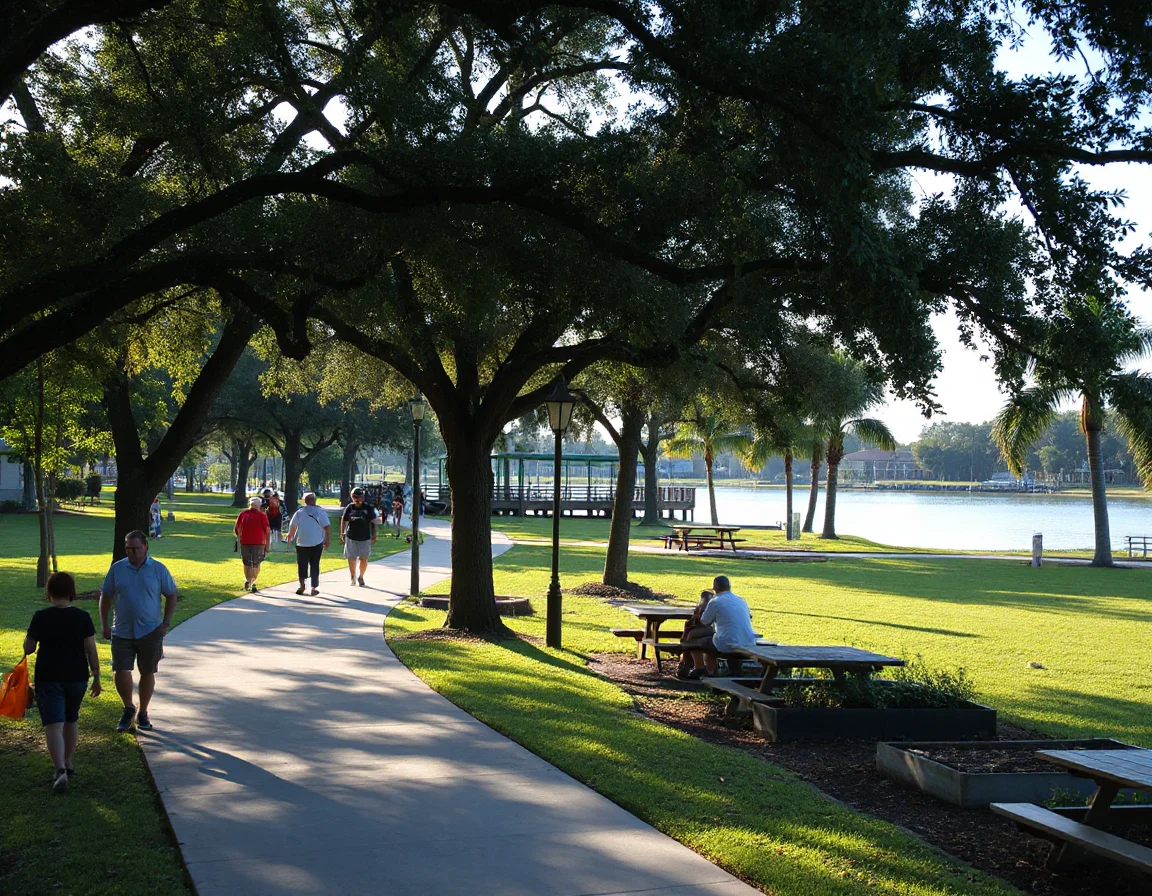
One of the city’s most recognizable outdoor assets is the Kissimmee Lakefront Park area along Lake Tohopekaliga, commonly called Lake Toho. Its waterfront paths, open lawns, playground areas, fishing access, boat-related amenities, and event space create a setting that feels distinct from the region’s busier commercial corridors. It is a useful destination for a morning walk, a picnic, a waterfront view, or simply a change of scenery without leaving the city.
Beyond the lakefront, residents can find public parks, sports fields, trails, and recreation programs throughout the area. Availability and features vary by location, so it is worth checking city and county recreation calendars for current hours, reservation policies, athletic schedules, and seasonal events. For buyers who value time outdoors, touring a home at different times of day can help show how easily a nearby path, park, or waterfront area fits into the routine.
A short drive on a map can feel very different during school-day traffic, seasonal visitor volume, or afternoon storms. Test the routes you expect to use most before making a location decision.
Errands are also spread across several corridors rather than concentrated in one compact district. Grocery options, pharmacies, fitness facilities, healthcare offices, public services, and dining are available in and around Kissimmee, with additional choices along U.S. 192, John Young Parkway, Osceola Parkway, and nearby communities. This makes it helpful to create a personal “five-mile list” before touring: preferred grocery store, medical provider, outdoor space, transit stop, workplace route, and the services you expect to use regularly.
Commutes: Routes Matter as Much as Distance
Kissimmee sits within a connected but traffic-sensitive part of Central Florida. Major routes include U.S. Highway 192, U.S. Highway 17/92, John Young Parkway, Osceola Parkway, Florida’s Turnpike, State Road 417, and Interstate 4 access points farther north and west. The best route depends on where a trip begins and ends, as well as the time of day, construction activity, weather, and event traffic. A property that is convenient for one destination may have a very different travel pattern for another.

For regional travel, SunRail service from the Kissimmee station can be an option for trips toward downtown Orlando and other stations along the rail line. Local bus service is available through LYNX, and regional transportation choices continue to evolve as Central Florida adds infrastructure. Schedules, stops, fares, and service frequency can change, so prospective residents should review official transit information instead of relying on a listing description alone.
Driving remains the primary transportation choice for many households, particularly for trips that cross multiple employment and activity centers. Travel times to Orlando, Lake Nona, the airport area, Winter Garden, or the I-4 corridor can shift considerably. Rather than accepting a single commute estimate, check navigation tools on a weekday morning and late afternoon, then repeat the test during a weekend if your schedule includes regular travel to entertainment venues, airports, or retail areas.
Central Florida’s climate is another practical consideration. Summer rain can arrive quickly, and warm temperatures make shaded parking, covered entries, pool maintenance, irrigation systems, and efficient cooling relevant property features. During a showing, ask about roof age, HVAC maintenance, window condition, drainage, flood-zone information, homeowners association rules where applicable, and utility history. These details are often more useful for long-term planning than a home’s first impression alone.
When comparing homes, build a route list with the actual places you visit: work, appointments, parks, airport trips, groceries, and recreation. The most suitable location is usually the one that makes those repeat trips simpler.
Amenities, Recreation, and Home-Search Priorities
Kissimmee’s recreation choices extend beyond public parks. Lake Toho supports boating and fishing, while nearby natural areas, golf courses, resort amenities, and regional trails provide additional ways to spend time outdoors. Those interested in water access should look closely at the type of access available: a nearby public ramp, a community dock, a marina, a view-only location, or a property with water frontage can offer very different experiences, responsibilities, and costs.
For dining and entertainment, the broader Kissimmee area provides everything from casual local favorites to destination venues, with even more options in nearby Celebration, Lake Buena Vista, Orlando, and Davenport. The key is to think about frequency. Being close to a favorite outing can be appealing, while being a few minutes farther from high-traffic corridors may better suit someone who prioritizes a less congested route home. Neither preference is universally better; it is simply a matter of matching the location to the way you plan to use it.
Education is another location-specific consideration. Osceola County school assignments, transportation eligibility, programs, and enrollment policies should be verified directly with the district because boundaries and availability can change. Buyers can also consider practical details such as the route to a campus, pickup and drop-off patterns, nearby sidewalks, and the timing of local traffic. These objective factors can help create a more complete picture of everyday logistics.
Housing options in Kissimmee range from condominiums and townhomes to single-family homes, newer planned communities, and properties with varying lot sizes and association structures. A lower purchase price is only one part of the comparison. Review association fees, special assessments, rental restrictions, parking rules, exterior-maintenance responsibilities, insurance needs, and utility costs alongside the property’s condition. For homes near lakes, conservation land, or drainage areas, ask for applicable disclosures and consult the relevant public records.
Make the Search Personal and Practical
A thoughtful Kissimmee home search begins with priorities that can be measured: preferred travel routes, outdoor access, property type, monthly budget, maintenance expectations, and nearby services. Start broad, then narrow the map after spending time in the areas that interest you. A coffee stop, a drive after work, a walk through a park, and a weekday trip to the grocery store can reveal more about a location than a quick online search.
With its lakefront setting, varied housing inventory, and access to the greater Orlando region, Kissimmee gives buyers many ways to shape a home search around daily life. Focus on verified facts, compare the costs and logistics of each property, and give yourself time to experience the routes and amenities that will become part of your routine.