

Buying a first home in Fort Myers becomes far more manageable when the process is broken into clear decisions: set a comfortable budget, prepare financing, compare homes with local conditions in mind, and protect your purchase through closing. This roadmap helps turn a long checklist into practical next steps, so you can make decisions with confidence rather than urgency.
Begin With a Budget That Fits Your Everyday Life
Before touring homes, give your budget more attention than your saved-search filters. A purchase price is only one part of the monthly picture. Your planning should also account for principal and interest, property taxes, homeowners insurance, possible flood insurance, association fees, utilities, maintenance, and the cash you want to keep available after closing. Fort Myers offers a wide range of property types, from condos and townhomes to single-family residences, and the ongoing costs can differ meaningfully from one listing to the next.

Start by reviewing income, recurring obligations, savings, and spending patterns. Then decide what monthly housing payment leaves room for your actual priorities, including transportation, travel, repairs, hobbies, and unexpected expenses. A lender can explain the amount you may qualify to borrow, but only you can determine the payment that feels sustainable month after month. Keeping those two numbers separate is one of the most useful habits a first-time buyer can develop.
It also helps to create three figures before you begin: a preferred price range, a maximum purchase price, and a cash-to-close target. The last figure should include your anticipated down payment, lender fees, title-related charges, prepaid items, inspection costs, and a reserve for moving or early repairs. Having a cushion can make the transition into ownership feel less pressured.
A home that works on paper should also work after the keys are in hand: build your target payment around both housing costs and a realistic reserve for maintenance.
In Southwest Florida, insurance and property-specific risk factors deserve an early place in the conversation. Ask about the age and condition of major systems, the property’s flood zone information, prior insurance claims when available, and whether the home has features that may affect coverage. An early insurance quote can be just as valuable as an early mortgage estimate because it clarifies the total cost before you are emotionally invested in a particular home.
Get Financing Organized Before You Fall for a Listing
Pre-approval is more than a letter to attach to an offer. It is an opportunity to understand loan options, document requirements, and the credit profile a lender will use for underwriting. Compare loan programs based on the complete package: interest rate, annual percentage rate, mortgage insurance, estimated closing costs, rate-lock timing, and how the payment changes under different down-payment scenarios.
Gather documents early so the process is smoother when a competitive listing appears. Many lenders will request recent pay stubs, tax returns, bank statements, identification, and details about debts or assets. Avoid opening new credit accounts, making large undocumented deposits, changing jobs, or moving funds between accounts without discussing it with your lender first. These are not necessarily deal-breakers, but they can create questions that take time to resolve.
Once you have a pre-approval, revisit the payment with Fort Myers-specific estimates rather than relying only on a generic online calculator. A condo may have monthly association dues that cover some exterior services and amenities, while a detached home may place more maintenance responsibility directly on the owner. Neither structure is automatically better; the important step is comparing the complete ownership cost and the documents that explain it.
Estimate a monthly mortgage payment
Tour With a Clear Set of Priorities
A useful home search begins with a written list divided into “must have,” “strong preference,” and “nice to have.” Your must-have list might include a price ceiling, a certain number of bedrooms, a home-office layout, parking needs, a first-floor bedroom, or an acceptable commute. Strong preferences may include a screened outdoor area, updated kitchen, storage, water access, or proximity to parks, dining, and everyday services. Keeping the categories separate makes it easier to evaluate tradeoffs objectively.
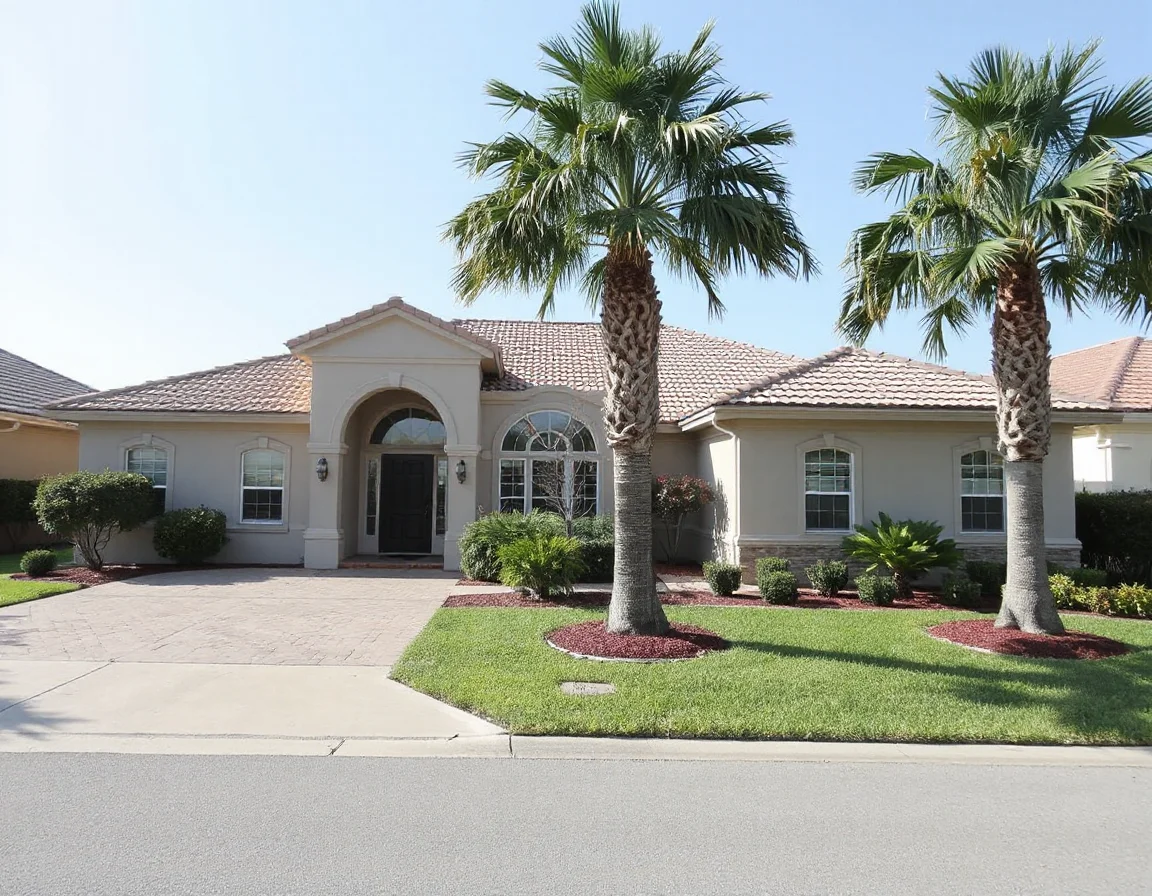
During showings, look beyond finishes and staging. Check natural light at different times if possible, listen for surrounding traffic or outdoor noise, note storage and room dimensions, and consider how the layout supports your daily routines. Ask about the age of the roof, HVAC system, water heater, windows, and major appliances. If the home is part of an association, request the rules, financial information, fee schedule, and any pending assessments as early as possible.
Location research should be practical and personal. Visit at more than one time of day, map common routes, review public transportation options if relevant, and identify nearby amenities that matter to you. Fort Myers offers access to waterfront areas, trails, cultural venues, golf courses, and a varied dining scene, but each property has its own travel patterns and conveniences. A home can be appealing while still requiring a clear-eyed look at the routines it will create.
When you find a strong candidate, avoid judging it against an imagined perfect home that may not exist at the same price point. Instead, compare it with recent competing listings, its condition, its carrying costs, and your priorities. A measured comparison is more valuable than a rushed decision based on a single attractive feature.
Make an Offer With Room for Due Diligence
An offer is a structured proposal, not just a number. In addition to price, it can address financing terms, earnest money, inspection periods, closing date, requested concessions, and included personal property. The strongest approach is one that is clear, well-supported, and aligned with your financial plan. In an active market, a pre-approval and a thoughtful timeline can help demonstrate that you are prepared without giving up protections that matter.
Inspections are a key part of that protection. A general home inspection can identify visible issues and maintenance concerns, while specialized evaluations may be appropriate depending on the property. In Florida, buyers often pay close attention to roof condition, electrical systems, plumbing, HVAC performance, moisture, and wind-mitigation features. Read the reports carefully, ask questions, and distinguish between routine maintenance, items to monitor, and concerns that may warrant negotiation or further evaluation.
The inspection period is your information window. Use it to understand the property’s condition, review association documents, confirm insurance assumptions, and make decisions before contingencies expire.
Appraisal is another important checkpoint for financed purchases. The appraiser evaluates the property against recent comparable sales and market evidence, which may affect loan approval if the value comes in below the contract price. Your lender and real estate professional can explain the available options if that occurs, including renegotiation, additional funds, or reconsidering the transaction based on the contract terms.
Move From Contract to Closing With Fewer Surprises
Once under contract, create a simple deadline calendar. Track inspection dates, financing milestones, appraisal timing, document requests, insurance steps, utility arrangements, and the final walkthrough. Respond promptly to lender and title requests, but review every form carefully before signing. The closing disclosure is especially important because it summarizes the final loan terms, projected payment, cash needed to close, and transaction costs.
Before closing, conduct a final walkthrough to confirm that the property is in the agreed condition, included items remain, and any negotiated repairs have been completed. Bring your contract and repair documentation so you can compare the home to what was promised. This is typically not a new inspection; it is a final confirmation before ownership transfers.
Your first Fort Myers home purchase does not require knowing every answer on day one. It requires a steady sequence of informed choices, reliable professionals, and enough time to evaluate the numbers behind the excitement. With a workable budget, careful due diligence, and a plan for the first months of ownership, closing day can feel like the start of a well-prepared next chapter.