

Brooksville home prices tell only part of the story. Inventory levels, days on market, condition, location, and financing trends all shape what buyers may encounter and what sellers can reasonably expect. Understanding how these pieces work together can make the next move feel more deliberate and less driven by headlines.
Read the Market Beyond the Median Price
When people ask what homes cost in Brooksville, Florida, the conversation often starts with a single number: the median sale price. That figure can be useful as a broad snapshot, but it does not explain the full range of homes available across the area. A recently updated property on a smaller lot, a home with acreage, a residence near major road connections, and a home needing repairs may all sit in very different price brackets while still contributing to the same market data.
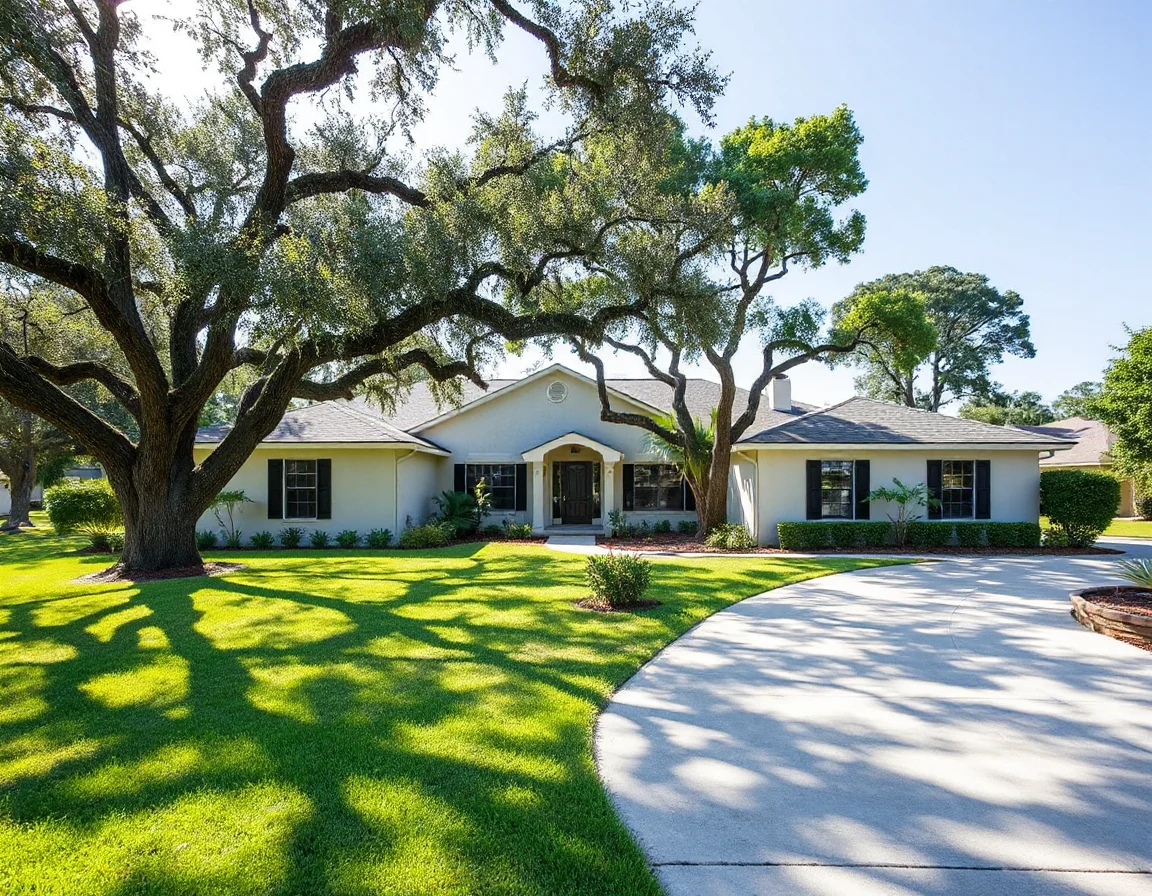
Price is most meaningful when it is compared with similar homes. A useful comparison looks at the property type, square footage, lot size, age, condition, renovation level, and location within the Brooksville area. It also considers practical features such as garage space, outdoor living areas, roof age, utility setup, and whether the home is part of a community with association fees or rules. These details help explain why two homes with the same bedroom count can have noticeably different asking prices.
For buyers, a list price is an invitation to investigate rather than a final verdict on value. Review photos carefully, compare recent nearby sales, and pay attention to what has changed since a property first came to market. For sellers, the goal is not simply to choose the highest number seen online. A well-supported starting price can attract serious attention and create a stronger foundation for negotiations than a figure that is disconnected from current competition.
Brooksville offers a mix of established homes, newer construction, larger parcels, and properties with distinctly different maintenance needs. That variety is part of what makes broad market averages less precise for an individual address. A local pricing review should narrow the field to homes that buyers would realistically view as alternatives.
The most useful price comparison is usually not the closest home on a map—it is the home that most closely matches the subject property’s condition, features, lot, and overall utility.
Why Inventory Changes the Conversation
Inventory describes the number of homes actively available for sale at a given time. It is one of the clearest ways to understand the balance between choices for buyers and competition for sellers. When the number of available properties is limited, buyers may need to make decisions more quickly after finding a home that fits their goals. When more homes are available, buyers often have additional time to compare layouts, condition, pricing, and terms.

It is important to look beyond the total number of listings. Inventory can vary significantly by price range and property type. A buyer searching for a modest single-story home may see a different set of options than someone looking for a larger property, a home with land, or a recently built residence. Likewise, sellers are not competing with every listing in Brooksville; they are competing with the homes that a buyer might reasonably consider instead.
New listings deserve attention because they show what is entering the market now, while pending and recently sold homes reveal which properties are moving and at what pace. Properties that return to the market, reduce their price, or remain available for an extended period can also offer useful context. None of these signals should be viewed alone, but together they can reveal whether buyers are responding more strongly to updated condition, certain price points, flexible closing terms, or a specific style of home.
For sellers, inventory is a reminder to prepare thoroughly. Clear photography, accurate property details, accessible showing windows, and thoughtful pricing can help a listing stand out when buyers have choices. For buyers, inventory is a reason to stay organized: have financing questions addressed early, know the non-negotiable features, and be ready to evaluate a property on its own merits rather than relying only on broad market labels.
What Days on Market Can—and Cannot—Tell You
Days on market measures how long a property has been available before going under contract or selling, depending on the report being used. It is a valuable indicator, but it needs context. A home that receives an offer quickly may be well priced, exceptionally well presented, or particularly distinctive. A home that remains on the market longer may be overpriced, may need repairs, may have limited photos, or may simply appeal to a smaller pool of buyers because of its layout, location, or property features.
Look at the pattern across comparable homes rather than drawing conclusions from one listing. If similar properties are going under contract within a short period, a newly listed home may deserve a prompt review. If comparable listings are taking longer to sell, buyers may have more room to ask questions, request repairs, or consider terms carefully. The key is to separate a property’s individual story from the wider market trend.
Price adjustments can also be informative. A reduction is not automatically a sign of a problem; sometimes it reflects a seller responding to new competition, changing financing conditions, inspection findings, or feedback from showings. Buyers should still complete their normal due diligence, including inspections, appraisal considerations, title review, and a careful look at ongoing ownership costs. Sellers should see early feedback as useful information that can help refine the listing strategy.
Build a Practical Plan for Your Next Move
Whether buying or selling, the most productive approach is to use current Brooksville data as a guide rather than a prediction. Markets can shift with seasonal activity, interest-rate changes, new listings, and local demand. A home search or pricing plan works best when it is updated regularly and tied to a clear timeline, budget, property priorities, and comfort level with repairs or renovations.
Buyers can start by tracking a focused set of homes for several weeks. Note original list prices, price changes, pending status, and features that appear to influence activity. This creates a more realistic picture than scrolling through every available listing. Sellers can begin with an honest review of condition, deferred maintenance, curb appeal, and comparable properties currently competing for attention. Preparation often has as much impact as the asking price.
Brooksville’s housing market is best understood property by property, not headline by headline. With a close look at comparable sales, active inventory, and days on market, buyers and sellers can make decisions with clearer expectations and stronger questions at every stage.