
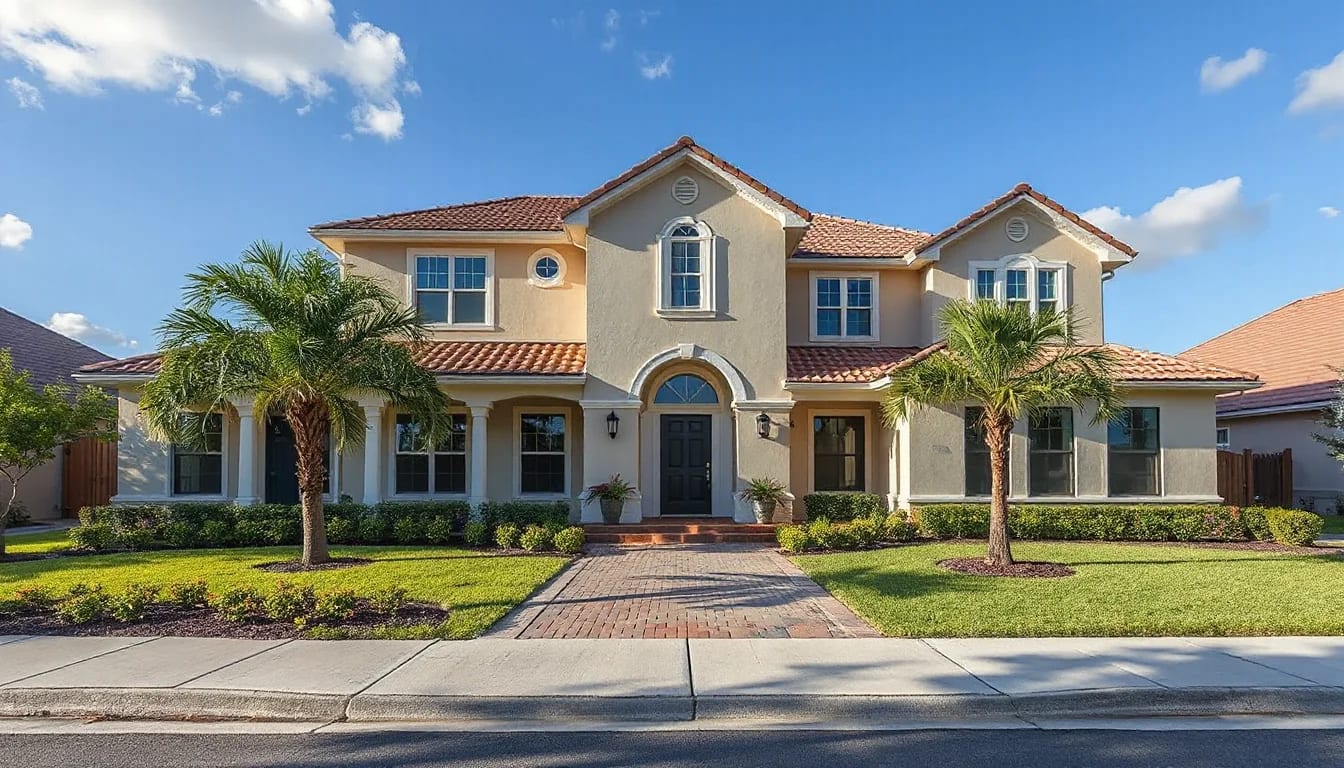
A Poinciana home can offer a compelling entry point into Central Florida real estate, but the purchase price is only one line in the investment equation. Reviewing HOA assessments, property taxes, insurance, maintenance, financing, and rental assumptions together gives buyers a clearer view of potential long-term performance. The strongest decisions begin with a conservative budget and property-specific due diligence.
Start With the Full Cost of Ownership
When evaluating a home in Poinciana, it helps to look beyond the listing price and ask a more useful question: what will this property cost to own, operate, and eventually sell? Poinciana spans portions of Osceola and Polk counties, and homes may fall under different taxing jurisdictions, community associations, and service arrangements. Two similar-looking homes can therefore carry meaningfully different monthly and annual expenses.

Begin with the predictable recurring items: principal and interest, property taxes, homeowners insurance, HOA dues, utilities, lawn care, pest service, and a maintenance reserve. If the home is financed, request a loan estimate early enough to compare interest rate, mortgage insurance, lender fees, and projected escrow payments. A monthly payment that looks manageable at first glance may change once insurance and association dues are included.
For buyers considering rental income, include additional operating assumptions from the start. Vacancy periods, tenant turnover, leasing costs, repairs, property management, and local registration or association rules can all affect net income. Rather than building a plan around best-case rent or uninterrupted occupancy, use a range of outcomes and leave room for unexpected expenses.
A practical ownership budget includes a repair reserve even for recently built homes. Roofs, HVAC systems, appliances, irrigation components, and exterior finishes all have useful lives that should be part of a long-term plan.
It is also worth separating expenses that are fixed from those that may change. A fixed-rate mortgage payment may remain stable, while taxes, insurance premiums, HOA budgets, utility costs, and maintenance needs can shift over time. This distinction is especially important when estimating cash flow for more than the first year of ownership.
How HOA Costs Can Shape the Numbers
Many Poinciana properties are located in planned communities with homeowners associations. HOA dues can support shared features and services such as common-area landscaping, recreational facilities, entry features, road maintenance in certain communities, or reserves for future projects. The value of those services depends on the specific association, so the key is to review the documents rather than assume every community operates the same way.
Ask for the current HOA fee, payment schedule, recent budgets, reserve information, rules and regulations, meeting minutes, and details about any pending or recently approved special assessments. A low monthly fee is not automatically a bargain if reserves are limited or major work is anticipated. Conversely, a higher fee may be easier to evaluate when it clearly funds services and reserves that would otherwise be separate owner expenses.

Rental plans deserve extra attention. Some associations permit leasing with registration requirements, minimum lease terms, application procedures, or limits on the number of rentals within the community. Others may have more restrictive policies. Buyers should confirm the current rules directly with the association and review governing documents before treating projected rent as part of the purchase decision.
HOA rules can also influence resale appeal and ongoing ownership. Guidelines for exterior changes, fencing, parking, landscaping, pets, and maintenance are common in many deed-restricted communities. Reading these policies before closing helps buyers understand both their responsibilities and the framework that may affect nearby properties.
Request association documents during the contract period and allow time to read them. Rules, budgets, assessments, and leasing policies should be verified for the exact address—not inferred from another home nearby.
For a useful comparison, convert annual HOA charges into a monthly figure and add them to projected mortgage, tax, and insurance costs. Then compare several Poinciana homes using the same worksheet. This side-by-side method often reveals that a home with a lower purchase price may not always have the lowest total carrying cost.
Property Taxes, Insurance, and Location-Specific Research
Florida property taxes are based on assessed value, exemptions when applicable, and local millage rates. The prior owner’s tax bill is a helpful reference point, but it is not a guarantee of a future bill. A sale can lead to reassessment, and exemptions may change after ownership transfers. Buyers should review county property appraiser information, estimate taxes based on an anticipated purchase price, and speak with a qualified tax professional for advice tailored to their circumstances.
Because Poinciana includes areas in both Osceola and Polk counties, the county attached to the parcel matters. Confirm the legal address, parcel identification, taxing authority, and any applicable special district assessments. These details can affect the annual tax estimate and should be part of the due-diligence checklist before the end of a contract period.
Homeowners insurance is another major variable in Florida ownership. Premiums can vary based on a home’s age, roof condition, construction features, coverage limits, deductibles, wind mitigation characteristics, claims history, and insurer underwriting standards. Obtain quotes for the specific property instead of relying on a broad estimate. If applicable, ask the insurer what inspections or documents are needed to finalize coverage.
Buyers can also review practical property conditions that may influence future expenses: the age and condition of the roof, HVAC equipment, water heater, plumbing, electrical panel, windows, drainage, irrigation, and exterior surfaces. An inspection is not merely a closing step; it is a source of data for a maintenance timeline. Knowing that a system may need attention within several years makes the investment analysis more realistic.
Model Long-Term ROI Conservatively
Long-term return can come from several directions: principal reduction through mortgage payments, potential property value changes, potential rental income, and the utility of owning the home. None of these outcomes is guaranteed, which is why a conservative model is more useful than an optimistic one. Consider running projections with modest assumptions for appreciation, rent growth, vacancy, repairs, and resale costs.
A straightforward analysis can include the purchase price, down payment, closing costs, financing costs, projected annual expenses, expected income if the property will be rented, and an estimated future sale scenario. For the sale estimate, include agent compensation, closing costs, repairs or concessions, and the remaining loan balance. The goal is not to predict the market precisely; it is to understand how sensitive the plan is to changing inputs.
- Scenario one: owner occupancy with normal maintenance and a multiyear holding period.
- Scenario two: a rental period with conservative rent, vacancy, management, and repair assumptions.
- Scenario three: a higher-expense year that includes insurance changes, an HOA assessment, or a major repair.
- Scenario four: a sale with modest market movement and complete transaction costs.
If the numbers only work under the most favorable assumptions, the plan may need a larger reserve, a lower purchase price, different financing, or a different property. On the other hand, a home that remains workable across several reasonable scenarios may provide a more durable ownership strategy.
A Better Due-Diligence Checklist Before You Offer
Before writing an offer, gather as much property-specific information as possible. Review comparable sales, current competing listings, days on market, and condition differences to establish a price range. Then pair that market review with real operating numbers: a lender payment estimate, insurance quotes, tax estimate, HOA documents, inspection findings, and anticipated maintenance needs.
It can be helpful to keep the process organized in one worksheet. Record every assumption, note the source of each number, and mark which expenses have been verified. This makes it easier to update the analysis when a new inspection report, HOA disclosure, or insurance quote arrives. It also makes comparisons between homes far more meaningful.
Poinciana offers a broad range of residential options and access to the larger Central Florida region, but each address has its own financial profile. By treating HOA rules, taxes, insurance, maintenance, and future resale costs as essential parts of the purchase decision, buyers can move forward with clearer expectations and a more resilient long-term plan.