
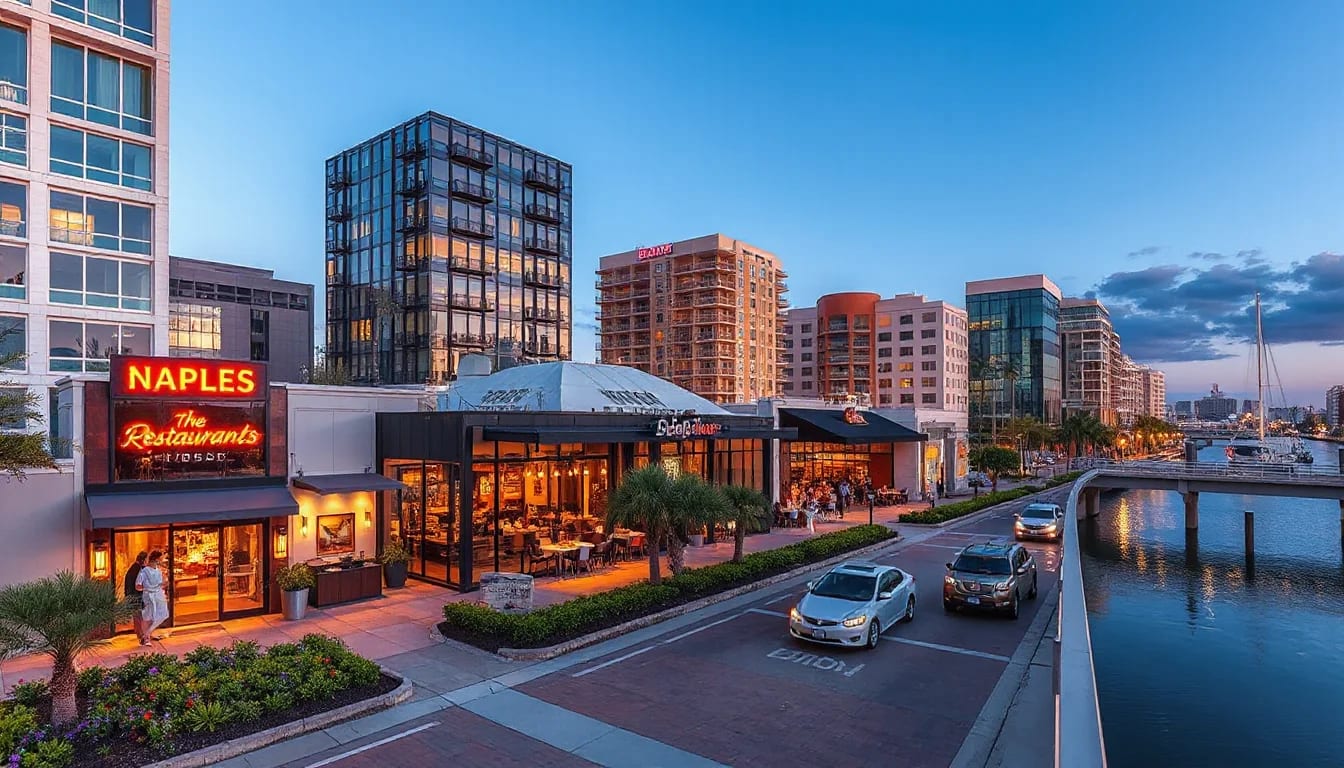
Naples offers more than a long list of places to dine—it offers distinct dining districts that can help home buyers understand a location’s daily rhythm and help sellers tell a more complete story about a property. From waterfront evenings to walkable village centers and casual neighborhood gathering spots, knowing the area around a home adds useful context to a move.
Dining Areas Add Useful Context to a Naples Home Search
When comparing homes in Naples, Florida, it helps to look beyond bedroom counts, lot sizes, and finishes. The nearby dining scene can reveal how an area feels on an ordinary Tuesday, where residents meet friends after a beach walk, and how easily a weekend outing can fit into the day. A restaurant guide is not a substitute for due diligence on a home, but it is a practical way to explore the amenities and pace of life around different parts of the city.
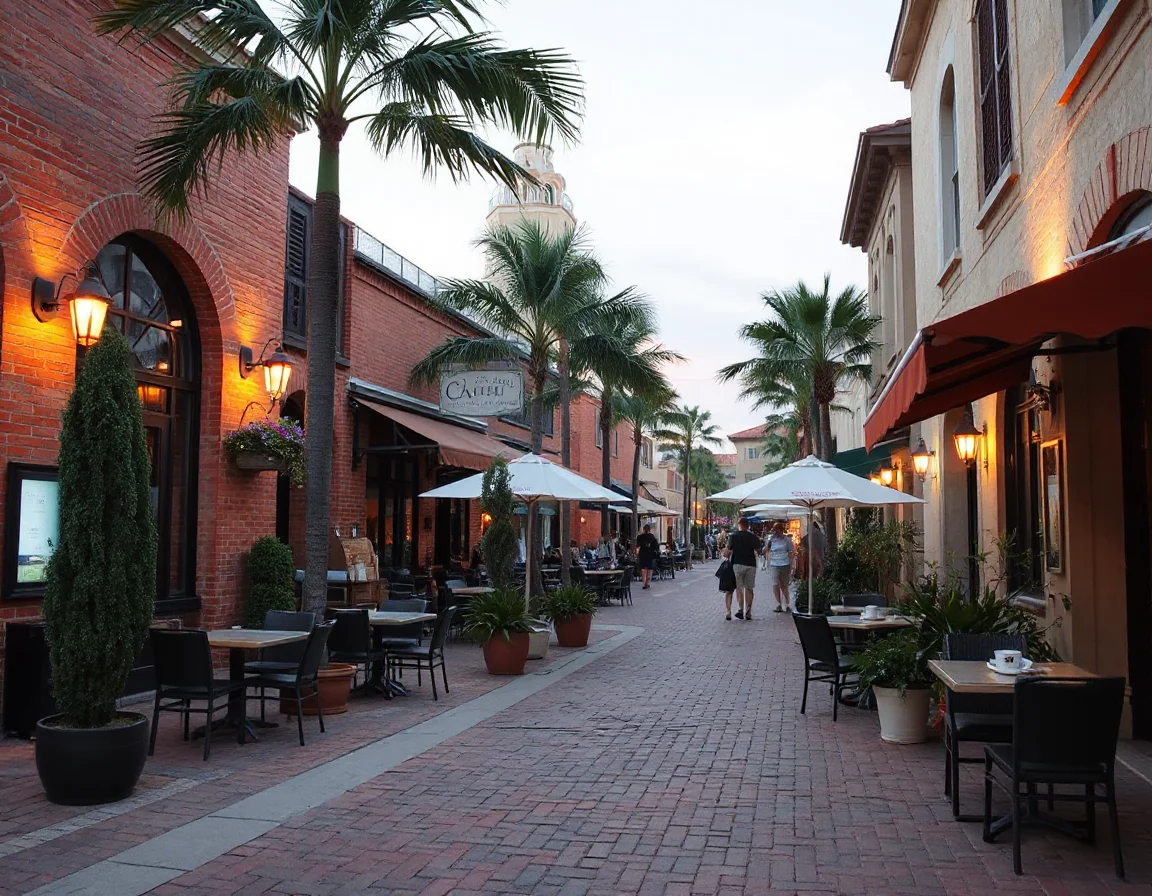
Old Naples and Fifth Avenue South are often the first places people think of when discussing dining in the area. This part of town combines tree-lined streets, galleries, landscaped public spaces, and an extensive mix of polished dining rooms, sidewalk tables, bakeries, and casual stops. For a buyer considering a home nearby, a visit at several times of day can be revealing: morning coffee traffic, afternoon foot activity, and evening parking patterns each offer a different view of the surroundings.
Third Street South provides another well-known Old Naples dining cluster with a more intimate village-like setting. Its landscaped corridors and courtyards create a pleasant backdrop for everything from a quick lunch to a reservation-focused dinner. Properties near central Old Naples can vary widely in age, architectural style, renovation level, and lot configuration, so buyers benefit from separating the appeal of the location from the details of an individual property.
For sellers, nearby dining can be a meaningful part of a listing conversation without becoming a vague lifestyle claim. A clear description might note proximity to established dining corridors, waterfront paths, or public gathering areas, then let prospective buyers decide what matters for their own routines. Objective local context makes a listing more useful and keeps the focus where it belongs: on the home, its features, and its location.
Tour dining districts during both daytime and evening hours. The same few blocks can feel very different depending on traffic, events, weather, and seasonal visitor activity.
Waterfront Dining Around Crayton Cove and the Naples City Dock
Naples’ waterfront is a defining feature of the city, and Crayton Cove near Naples City Dock offers a close look at that relationship. Here, boating activity, working-waterfront views, and nearby dining create an atmosphere that is distinct from the more formal corridors inland. It is an excellent area to visit when evaluating how close a home is to the coast, marinas, boat launches, and the everyday logistics that come with waterfront access.
Dining options in and around the waterfront tend to emphasize open-air seating, seafood, and views of the water, though the experience varies from one venue to the next. Buyers who enjoy this part of Naples should pay attention to practical factors alongside the scenery: parking availability, bridge routes, seasonal congestion, flood zone information, insurance considerations, and the condition of nearby streets and seawalls. These are property-specific questions worth reviewing with qualified local professionals.
The City Dock area also connects naturally to Naples Bay and nearby residential streets. A home does not need to be directly on the water to make waterfront amenities part of its location story. A short drive, bicycle route, or walk to the bay can be valuable context, provided distance and access are described accurately. Sellers can highlight verifiable conveniences such as nearby public waterfront areas, marina facilities, or established dining destinations.
Explore Naples area information
Mercato, North Naples, and Everyday Dining Options
Further north, Mercato and the surrounding North Naples area offer a different kind of dining concentration. The setting is more contemporary, with a mix of dining, entertainment, services, and outdoor gathering space. For many house hunters, this part of the city is useful to explore because it illustrates how errands, dining, and recreation can connect within a broader commercial district.

North Naples includes a broad range of residential settings, from condominiums and attached homes to single-property neighborhoods with varied amenities and association structures. Dining is just one piece of the decision, but it can help a buyer compare locations realistically. Try a weekday lunch visit, then return during an evening or weekend period to assess travel times and traffic flow from prospective neighborhoods.
Nearby areas such as Pelican Bay, Vanderbilt Beach, and the corridors around U.S. 41 offer their own mix of casual and elevated dining choices. The practical advantage is variety: a simple meal, a special occasion reservation, or a quick takeout option may all be within reach, depending on the property’s precise location. Because Naples covers a large area, an address that appears close on a map may still have a very different drive depending on season, time of day, and roadway access.
A dining district can also help buyers set a realistic search boundary. Instead of relying only on a radius, consider selecting a few destinations that reflect your routine and testing the route from homes you are considering. This approach creates a more useful comparison among listings than a broad statement that a property is “near everything.”
East Naples, Bayshore, and Local Flavor Near the Water
East Naples and the Bayshore Arts District have developed a dining identity that feels more relaxed and locally focused, with access to Naples Botanical Garden, Bayview Park, and waterways that lead toward Naples Bay. The area rewards exploration. Smaller dining destinations, creative gathering spaces, and outdoor recreation can sit close together, giving visitors several reasons to spend time there beyond a single meal.
For buyers, this part of Naples can be especially helpful for understanding the city’s range of housing styles and price points. Conditions vary by street and property type, so it is important to assess each listing individually, including permits, flood information, elevation, renovation history, and neighborhood regulations where applicable. Dining nearby is a welcome amenity, but sound purchasing decisions still begin with the property details and a complete review of costs.
For a seller in East Naples or Bayshore, local destinations can support a strong, accurate presentation of the home’s surroundings. Mention specific public amenities, waterfront access points, botanical attractions, and established dining corridors where relevant. This type of information gives buyers a clear picture of what they can explore while avoiding assumptions about how any particular person will use the area.
In Naples, a five-mile dining trip may take very different amounts of time in August and during peak season. Test the route from a prospective home rather than relying on mileage alone.
Use Dining Exploration as Part of Your Real Estate Due Diligence
The best way to get to know Naples is to experience it in layers. Start with the home and its immediate surroundings, then drive the routes you expect to use, visit nearby parks and waterfronts, and make time for a meal in the closest dining district. Along the way, notice the details that shape daily life: parking, lighting, sidewalks, road noise, travel patterns, and the distance to the amenities you value.
Whether you are preparing to sell or beginning a home search, Naples restaurants provide an inviting entry point into understanding the city by area. From Old Naples and the waterfront to North Naples and Bayshore, each dining district offers a different perspective on the community. Pair that exploration with careful property research, and you will be better prepared to make a confident real estate decision.